Efficient management of a worksite is crucial for ensuring project success and worker safety. A worksite, in essence, is the location where specific labor activities are performed, usually contrasting with the typical office environment. It requires meticulous planning, adherence to safety protocols, and efficient resource management to maintain productivity and safety standards. Understanding these elements can significantly affect the project's outcome and operational costs.
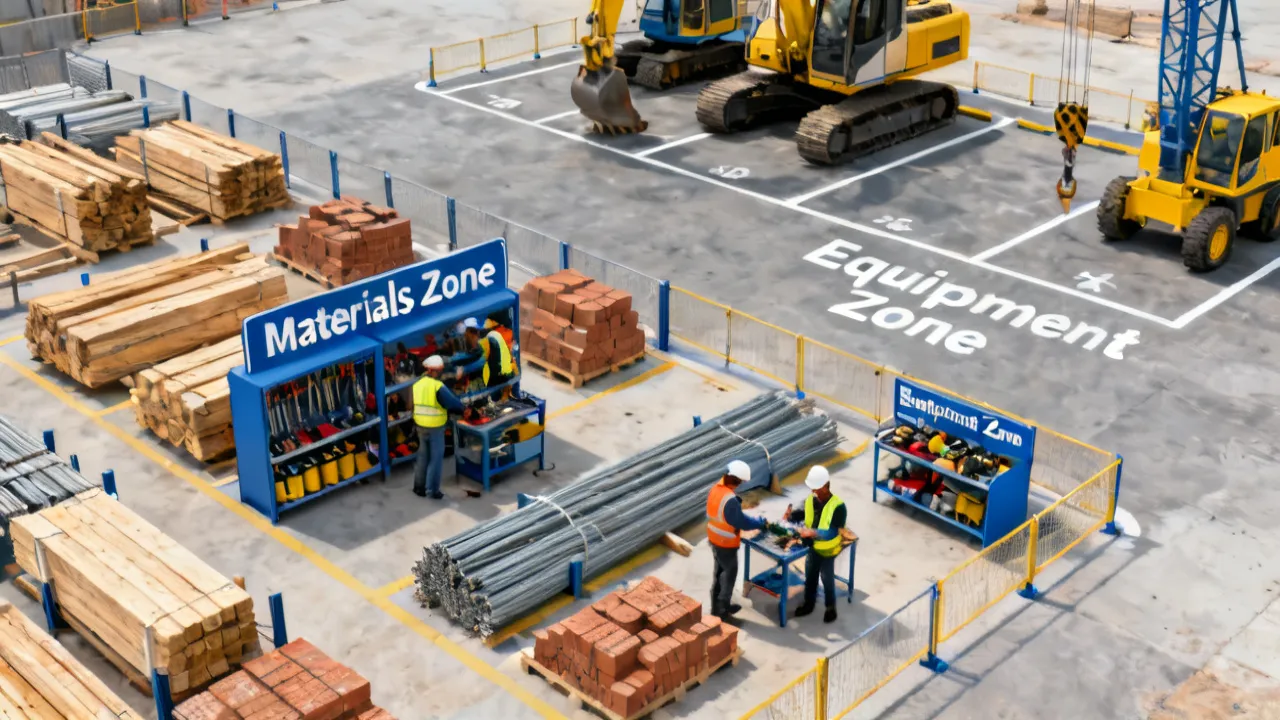
Worksites are essential locations where a multitude of physical tasks takes place, often involving construction, manufacturing, and other industrial activities. The dynamics of a worksite differ significantly from traditional offices, owing to the nature of tasks, the involvement of heavy machinery, and the importance of safety protocols. In addition to these factors, a worksite's complexity can vary greatly depending on the specific industry, the project at hand, and the physical environment surrounding the site.
For instance, in construction, workers might deal with ground excavation, creating high-rise buildings, or developing infrastructure such as bridges and roads. Each of these tasks requires coordination among various teams, effective communication, and precise timing to ensure that the project progresses smoothly. Furthermore, manufacturing worksites may encompass assembly lines, quality assurance stations, and logistics hubs, each with its unique operational requirements and challenges.
The geographical location of a worksite also plays a role in its dynamics. Urban sites may face challenges related to limited space, noise regulations, and a higher concentration of stakeholders, while rural worksites might deal with logistical issues related to transporting materials and equipment. Understanding these facets is crucial for managers and teams to optimize workflow and ensure a productive environment.
Effective management of a worksite is integral to a project's success. From planning to execution, various elements play critical roles:
Safety on a worksite cannot be overemphasized. Establishing comprehensive safety protocols not only protects the workforce but also enhances productivity by minimizing downtime due to injuries or accidents. Some critical safety measures might include:
Another key component to enhancing safety on a worksite is fostering an open environment where workers feel comfortable reporting hazards and near-misses without fear of repercussions. This proactive approach can significantly aid in preventing future incidents.
Technology has revolutionized the way worksites operate. With innovations such as drones for site surveying, wearable technology for monitoring worker health, and software for project management, worksites are becoming more efficient. The integration of such technologies helps in real-time monitoring and enhances decision-making processes.
For example, the use of Building Information Modeling (BIM) has changed planning and execution phases significantly. BIM allows for creating a digital representation of a building which can be shared among various stakeholders, facilitating better collaboration and understanding of the project. It can simulate different construction scenarios, helping teams to plan and respond effectively to challenges before they arise.
Additionally, the implementation of Artificial Intelligence (AI) not only aids in predictive analytics for maintenance but also optimizes workflow by identifying inefficiencies. Machine learning algorithms can analyze data from previous projects, providing insights that can improve project timelines and resource management in future endeavors.
Even communication technology has evolved, with cloud-based collaboration tools allowing teams to stay connected, share documents, and manage schedules in a centralized digital environment. This can enhance productivity, reduce miscommunication, and streamline project planning.
Like any operation, worksites come with their unique set of challenges. These include:
| Aspect | Traditional Worksite | Modern Worksite |
|---|---|---|
| Resource Management | Manual inventorying and allocation | Automated supply chain systems that leverage data analytics to predict needs |
| Safety Protocols | Basic training and equipment | Advanced safety training incorporating virtual reality simulations and wearable tech for real-time health monitoring |
| Technology Use | Minimal tech integration, focusing predominantly on basic tools | Integration of AI and IoT for predictive analytics and enhanced operational efficiency |
| Monitoring and Reporting | Paper-based reporting systems prone to errors | Real-time digital reporting tools that enhance transparency and accountability |
| Workforce Engagement | Standard worker engagement practices through top-down communication | Collaborative platforms that encourage worker input and community-driven decision-making |
Understanding and effectively managing a worksite requires melding logistical acumen with advanced safety practices and technology. As worksites evolve, staying abreast of these advancements is crucial for managers and workers alike to ensure both project success and a safe working environment. Adapting to new challenges, leveraging technology, and fostering a culture of safety and efficiency will position worksite teams for success in the rapidly changing landscape of industry and construction. Ongoing training, investment in technology, and transparent communication among all stakeholders will undoubtedly contribute to a more resilient and productive worksite.
Striking the Perfect Balance: Navigating Premiums and Out-of-Pocket Expenses in Senior Insurance Plans

Explore the Tranquil Bliss of Idyllic Rural Retreats

How to Make Lasting Memories at Disneyland Attractions

Affordable Full Mouth Dental Implants Near You

Unlock the Top Kept Secrets to Finding Your Ideal Dentist for Flawless Dental Implant Results!

Discovering Springdale Estates

The Guide to Car Trading

Unlock the Full Potential of Your RAM 1500: Master the Art of Efficient Towing!

Understanding Royal Canin Maxi Adult


Understanding Compliance and AML Strategies
This article delves into the intricate realm of Compliance and Anti-Money Laundering (AML) strategies, highlighting their significance in the corporate world. Compliance AML refers to the organizational adherence to legal standards and regulations to deter financial crimes, ensuring transparent and ethical financial practices. This comprehensive guide examines these strategies' complexities and their pivotal role in safeguarding economic integrity.

Exploring B2B MBA Opportunities
Dive into the dynamic world of B2B MBA programs, designed for professionals seeking to enhance their strategic and management skills in a business-to-business context. This comprehensive guide discusses the significance of B2B MBAs in today's market, highlighting how these programs equip leaders with the expertise to navigate complex B2B relationships and drive business success.
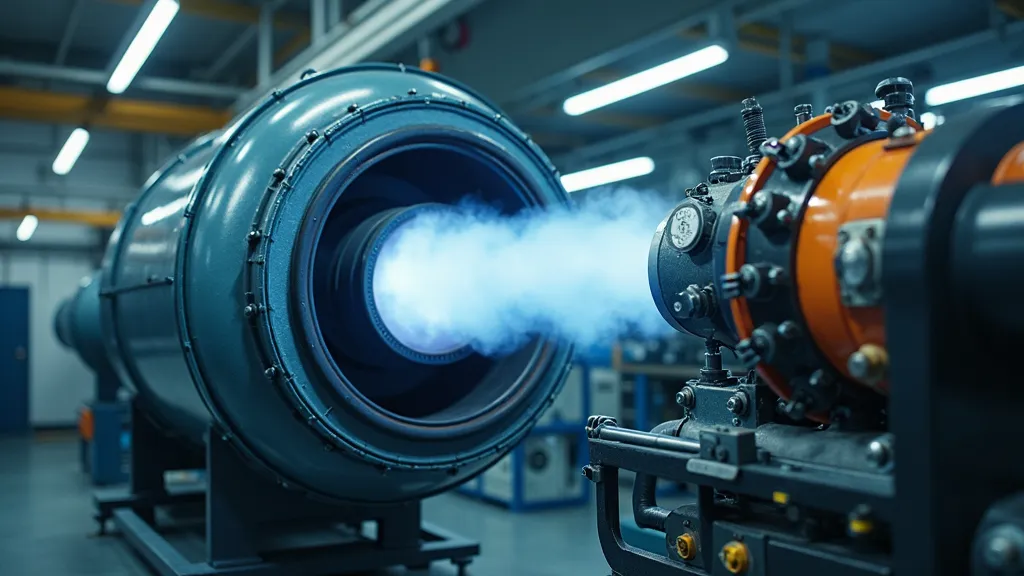
Understanding Whitewater Regenerative Blowers
Whitewater Regenerative Blowers are essential in various industrial applications for their efficiency in moving air and gases. These blowers are known for their durability and ability to operate continuously, making them a preferred choice for industries ranging from wastewater treatment to aquaculture. This article explores their features, benefits, and applications, offering readers a comprehensive understanding of their importance in modern industry.

Mastering Employee Retention Strategies
Employee retention has become a critical aspect of organizational success, particularly in the dynamic landscape of 2020. As businesses strive to maintain a stable and productive workforce, understanding effective retention strategies is essential. This article delves into key methods for enhancing employee satisfaction and retention, offering a comprehensive guide for HR professionals and business leaders alike.

Discover the Allure of Splendys
Splendys stands as a beacon of innovation and style within the consumer goods sector. Known for their commitment to quality and style, Splendys products range from luxury apparel to sophisticated home decor with a modern twist. Their unique offerings cater to discerning customers seeking both function and aesthetics, positioning Splendys at the forefront of contemporary design excellence.

Understanding Headhunter Ti Services
This guide delves into the role and effectiveness of Headhunter Ti in the recruitment industry. Headhunters are specialized recruitment professionals who seek out top talent for specific job roles, often for high-level or specialized positions. This article provides an in-depth analysis of how Headhunter Ti operates, its benefits to organizations, and what candidates can expect when engaging with such services.