The seminal work of Heuvel & Bondarouk in 2016 explores significant advancements in the field of management, particularly focusing on technological integration within human resources. Their research highlights the transformative role that technology can play in enhancing organizational efficiency and decision-making. As the field continues to evolve, understanding these foundational insights remains crucial for modern management practices.
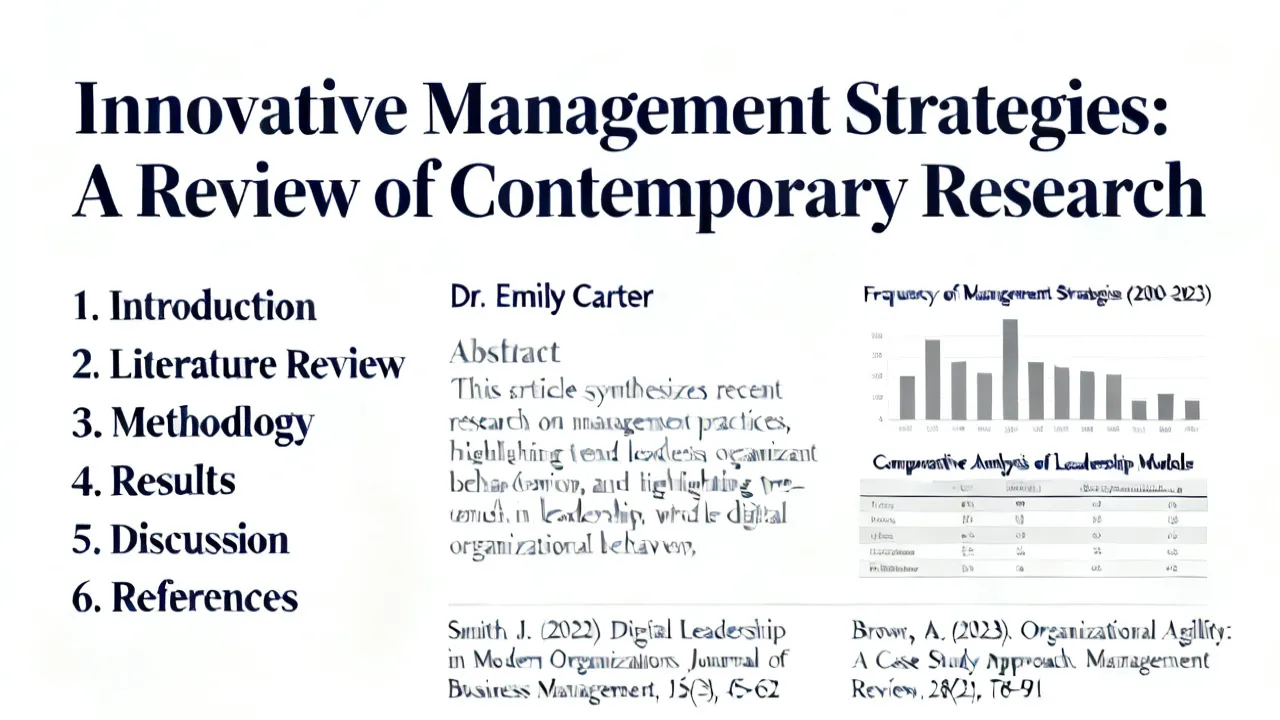
In the realm of management research, the study conducted by Heuvel & Bondarouk in 2016 stands as a critical examination of the intersection between technology and human resources. By leveraging modern information systems, their research provides a profound look at how technological tools can enhance organizational decision-making and operational efficiency. The advent of the digital age has necessitated a rethinking of traditional business practices, particularly within the human resource management sector, and this study presents a comprehensive framework to navigate these changes.
Heuvel & Bondarouk's 2016 study is renowned for its in-depth analysis of human resource management (HRM) within the technological context. Their work underscores the pivotal role of e-HRM systems in transforming traditional HR processes. In essence, the study illuminates the pathway for HR departments aiming to shift from administrative functions to strategic partners within organizations. The authors argue that by integrating technology, organizations can handle data more effectively, thus facilitating timely and informed decision-making. Moreover, their research illustrates how e-HRM aids in aligning HR practices with overarching organizational strategies, thereby enhancing competitive advantage.
This transformation involves not only adopting new technologies but also a cultural shift within organizations that emphasizes agility, data-driven decision-making, and strategic foresight. Heuvel and Bondarouk provide a thorough exploration of how organizations can embark on this transition and the fundamental shifts in mindset required for success. They argue that HR leaders must embrace technology not just as a tool but as a means to redefine their role in fostering organizational efficiency and effectiveness.
For organizations looking to implement the insights from Heuvel & Bondarouk's research, a structured approach is essential. Here is a step-by-step guide:
This structured approach not only facilitates a smoother transition to e-HRM systems but also instills a sense of ownership and empowerment among HR professionals, enabling them to leverage technology effectively in their strategic roles.
| Aspect | Traditional HRM | e-HRM Systems |
|---|---|---|
| Process Efficiency | Manual and time-consuming | Automated and streamlined |
| Data Management | Static, often siloed | Dynamic, centralized |
| Decision-Making | Based on historical patterns | Data-driven, real-time |
| Strategic Role | Limited to administrative support | Integral to strategic planning |
Successfully implementing e-HRM systems, as suggested by Heuvel & Bondarouk, requires overcoming various challenges and meeting certain conditions:
Moreover, organizations need to foster a culture of adaptability to change, where feedback is encouraged, and adjustments are made based on insights gained during implementation. The importance of communication throughout this process cannot be understated, as it helps alleviate concerns and builds trust among employees about the new systems.
While the benefits of e-HRM systems are substantial, organizations must also consider the potential risks and challenges associated with their implementation.
e-HRM refers to the application of information technology for HR practices that connect employees and organizational policies strategically. It involves employing web-based systems to serve HR functions more efficiently and effectively.
Their study is seminal in demonstrating how technology can transform HR from an administrative to a strategic function, ensuring HR's role in enhancing organizational performance and adaptability.
Challenges include resistance to change, ensuring data security, continuously updating technological infrastructure, and aligning new processes with organizational culture.
As organizations continue to evolve in an increasingly digital landscape, the future of human resource management is being reshaped by ongoing technological advancements. Heuvel & Bondarouk’s findings are crucial for understanding how HR departments will function in the future. The integration of artificial intelligence, machine learning, and big data analytics will further enhance HR capabilities, allowing for more personalized employee experiences, predictive analytics for talent management, and advanced employee engagement strategies.
One of the emerging trends is the rise of artificial intelligence in recruitment processes, where algorithms assist in identifying the best candidates based on their qualifications and cultural fit with the organization. This not only speeds up the hiring process but also enhances its effectiveness by reducing biases. Furthermore, AI can help HR professionals analyze performance data and employee feedback to create development plans tailored to individual needs.
Another significant trend is the use of virtual reality (VR) and augmented reality (AR) in training and onboarding processes. These technologies provide immersive experiences that can significantly enhance the learning process, making it more engaging and effective compared to traditional methods. For instance, virtual simulations can replicate real-world job scenarios, helping employees develop skills in a safe environment.
Moreover, with the increasing emphasis on employee wellness and mental health, e-HRM systems can incorporate tools for tracking employee well-being, facilitating flexible work arrangements, and monitoring workloads to prevent burnout. These enhancements not only promote a healthier work environment but also contribute to higher retention rates and improved overall job satisfaction.
The integration of technology in human resource management, as elaborated by Heuvel & Bondarouk in their 2016 study, represents a paradigm shift in how organizations operate. By understanding and applying these insights, companies can effectively transition towards more strategic and efficient HR practices, delivering greater value and ensuring sustained competitive advantage in a rapidly evolving business landscape. As organizations embrace e-HRM systems, the potential for enhanced employee engagement, optimized processes, and data-driven decision making will ultimately lead to organizations that are not just modernized, but also more resilient and adaptable to change.
Striking the Perfect Balance: Navigating Premiums and Out-of-Pocket Expenses in Senior Insurance Plans

Explore the Tranquil Bliss of Idyllic Rural Retreats

How to Make Lasting Memories at Disneyland Attractions

Affordable Full Mouth Dental Implants Near You

Unlock the Top Kept Secrets to Finding Your Ideal Dentist for Flawless Dental Implant Results!

Discovering Springdale Estates

The Guide to Car Trading

Unlock the Full Potential of Your RAM 1500: Master the Art of Efficient Towing!

Understanding Royal Canin Maxi Adult


Understanding Compliance and AML Strategies
This article delves into the intricate realm of Compliance and Anti-Money Laundering (AML) strategies, highlighting their significance in the corporate world. Compliance AML refers to the organizational adherence to legal standards and regulations to deter financial crimes, ensuring transparent and ethical financial practices. This comprehensive guide examines these strategies' complexities and their pivotal role in safeguarding economic integrity.

Exploring B2B MBA Opportunities
Dive into the dynamic world of B2B MBA programs, designed for professionals seeking to enhance their strategic and management skills in a business-to-business context. This comprehensive guide discusses the significance of B2B MBAs in today's market, highlighting how these programs equip leaders with the expertise to navigate complex B2B relationships and drive business success.

Understanding Whitewater Regenerative Blowers
Whitewater Regenerative Blowers are essential in various industrial applications for their efficiency in moving air and gases. These blowers are known for their durability and ability to operate continuously, making them a preferred choice for industries ranging from wastewater treatment to aquaculture. This article explores their features, benefits, and applications, offering readers a comprehensive understanding of their importance in modern industry.

Mastering Employee Retention Strategies
Employee retention has become a critical aspect of organizational success, particularly in the dynamic landscape of 2020. As businesses strive to maintain a stable and productive workforce, understanding effective retention strategies is essential. This article delves into key methods for enhancing employee satisfaction and retention, offering a comprehensive guide for HR professionals and business leaders alike.

Discover the Allure of Splendys
Splendys stands as a beacon of innovation and style within the consumer goods sector. Known for their commitment to quality and style, Splendys products range from luxury apparel to sophisticated home decor with a modern twist. Their unique offerings cater to discerning customers seeking both function and aesthetics, positioning Splendys at the forefront of contemporary design excellence.

Understanding Headhunter Ti Services
This guide delves into the role and effectiveness of Headhunter Ti in the recruitment industry. Headhunters are specialized recruitment professionals who seek out top talent for specific job roles, often for high-level or specialized positions. This article provides an in-depth analysis of how Headhunter Ti operates, its benefits to organizations, and what candidates can expect when engaging with such services.