Missiles are precision-guided weapons designed for various applications in military defense and space exploration. These advanced systems employ propulsion technologies to ensure precise targeting and effectiveness. This article provides a thorough examination of missile technology, covering their development, operational mechanisms, and strategic significance in modern defense.
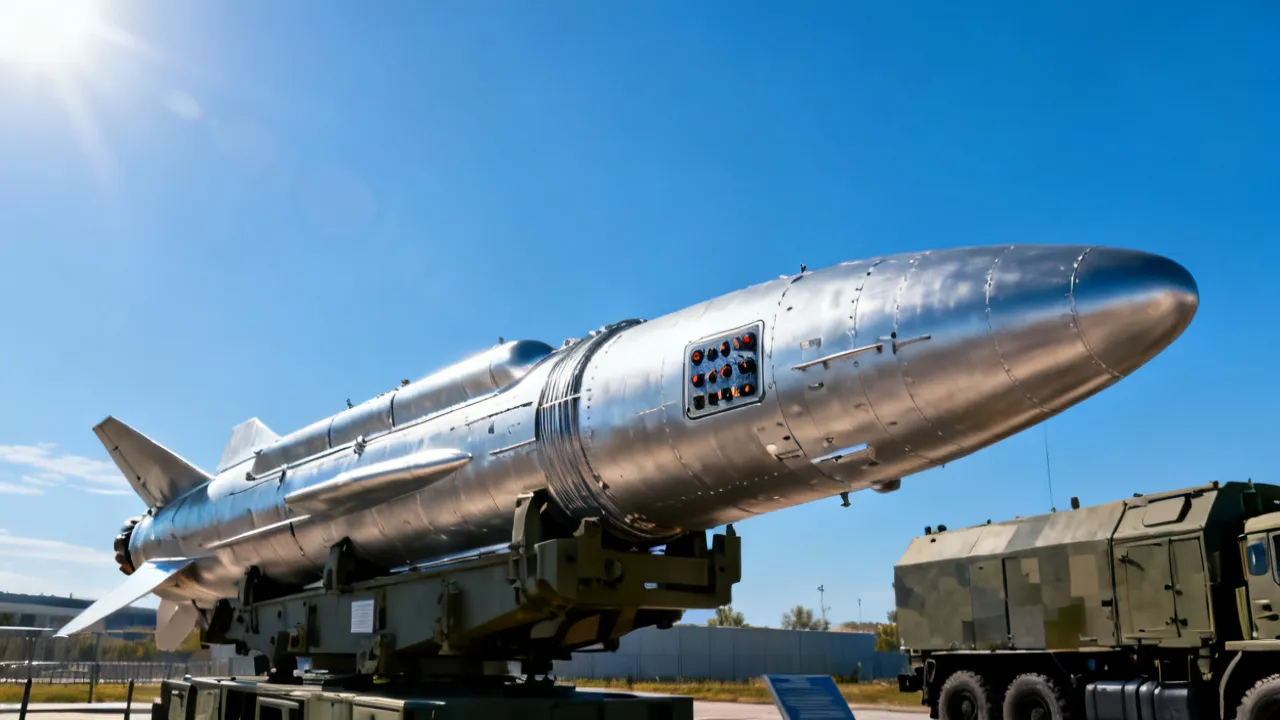
In the realm of military and defense technology, missiles play a crucial role as precision-guided munitions capable of hitting targets with high accuracy. Developed through decades of research and technological advancement, missiles have become sophisticated tools in both offensive and defensive operations. This article offers an in-depth analysis of missile technology, exploring their engineering, types, and strategic importance.
The concept of missiles dates back to ancient times when rudimentary projectiles were used in warfare. Early examples include the Greek fire used by Byzantines and various forms of incendiary devices. However, the modern missile era began in the 20th century, with the invention of guided systems during World War II, such as the German V-2 rocket. This rocket was not just a weapon but also a pioneer in rocketry, showcasing the potential of powered flight beyond the confines of the Earth's atmosphere.
In the post-war years, particularly during the Cold War, missile technology advanced rapidly. Initiatives such as the development of the Soviet R-7 Semyorka, the world’s first intercontinental ballistic missile (ICBM), marked a key turning point. The arms race between superpowers catalyzed research in missile capabilities, leading to breakthroughs in propulsion, guidance systems, and warhead design. The introduction of submarine-launched ballistic missiles (SLBMs) also expanded military strategy, allowing for a second-strike capability that increased deterrent power.
The technological evolution continued into the 21st century, with emphasis placed on stealth technology, precision targeting, and resistance to countermeasures. Moreover, the race towards hypersonic missiles, capable of traveling at speeds exceeding Mach 5, showcases the ongoing advancements that push the boundaries of missile technology. As nations strive for military dominance, the reliance on sophisticated missile systems is likely to continue.
Missiles are classified based on several criteria, including range, launch platform, and purpose. Key categories include:
| Type | Description |
|---|---|
| Ballistic Missiles | These are high-speed missiles that follow a suborbital trajectory, characterized by a powered phase followed by a free-fall phase. Ballistic missiles can carry heavy payloads over long distances and are primarily used to deliver nuclear, chemical, or conventional warheads. Their range can vary significantly, with tactical ballistic missiles designed for shorter distances and ICBMs capable of traversing continents. |
| Cruise Missiles | Low-altitude missiles designed for precision strikes, cruise missiles can be launched from ground-based platforms, ships, or submarines. They typically utilize jet engines for sustained flight and are equipped with sophisticated navigation systems to strike specific targets with minimal collateral damage. An example is the Tomahawk missile, renowned for its accuracy and versatility in modern naval warfare. |
| Surface-to-Air Missiles (SAMs) | These are defense systems deployed for air defense, designed to track and eliminate hostile aircraft and incoming missiles. Examples of SAM systems include the American Patriot and Russia's S-400. SAMs are often integral to a country's defense architecture, operating alongside radar systems to provide multi-layered protection against aerial threats. |
| Anti-Ship Missiles | Engineered to target and destroy warships, anti-ship missiles often employ sea-skimming techniques to evade enemy radar and detection. Missiles such as the BrahMos and Harpoon are designed with high subsonic or supersonic speeds, maximizing their chance of penetration against robust naval defenses. |
| Anti-Tank Missiles | These portable or vehicle-mounted systems are specifically designed to penetrate heavily armored vehicles, such as tanks. Popular examples include Javelin and TOW missiles, which employ either guided or semi-guided technologies to ensure high hit probabilities against moving targets on the battlefield. |
Missiles operate through a sophisticated blend of aerodynamics, propulsion, guidance, and control systems. Upon launch, the thrust generated by the propulsion system propels the missile towards its intended target. As the missile ascends, it transitions through various flight stages before reaching the top of its trajectory, where it begins its descent toward the target. During this flight trajectory, sensors gather data which feed back to the control system, allowing the missile to make adjustments in real-time. This capability is essential for ensuring the missile can hit moving targets or avoid defensive measures.
The integration of advanced technologies, such as artificial intelligence and machine learning algorithms, is also increasing the operational effectiveness of missile systems. By analyzing vast amounts of battlefield data, these systems can improve target recognition, threat assessment, and decision-making processes.
Finally, upon nearing the target, the warhead detonates upon impact or within a specified proximity to maximize destruction. The effectiveness of modern warheads is augmented by precision fuses designed to optimize detonation timing, ensuring maximum damage with minimal unintended consequences, which is a pivotal aspect in contemporary military engagements.
Missiles serve as essential components of modern military strategies, offering flexible responses to threats. Their ability to deliver pinpoint strikes minimizes collateral damage, making them highly effective against military infrastructure and deeply embedded enemy positions. Nations prioritize investments in missile systems as a means of deterrence, especially in volatile regions where conventional military strategies may fall short.
Furthermore, the psychological impact of missile systems cannot be understated. The very existence of a potent missile arsenal can deter adversaries from undertaking aggressive actions. This principle of deterrence theory suggests that the potential for retaliation through missiles can maintain stability and peace through strength. Countries like North Korea, for example, have developed missile capabilities as a means to establish their credibility on the global stage, projecting power and deterrence against perceived threats.
The strategic importance of missile technology has also broadened to encompass non-military applications. For instance, missile technology overlaps with space exploration, as the same principles of propulsion and guidance can be utilized for launching satellites and other space missions. Countries with robust missile manufacturing capabilities often leverage that expertise in civilian sectors, enhancing their technological competencies beyond military applications.
In response to the increasing threat of missile attacks, missile defense systems have been developed to intercept and neutralize incoming threats. These systems employ advanced radar and tracking technology to detect missiles shortly after launch, providing a window of opportunity for engagement. Notable examples include the Patriot missile system and the Iron Dome, designed for different operational contexts.
The Patriot missile system, primarily used by the U.S. and several allied nations, features a layered defense approach. Its ability to engage both tactical ballistic missiles and aircraft makes it a multi-functional component of air defense. The recent conflicts have demonstrated the effectiveness of the Patriot system in intercepting incoming threats with high success rates, reassuring national security and airspace integrity.
The Iron Dome, a revolutionary system developed by Israel, specifically addresses the threat from short-range projectiles, including rockets and artillery shells. Its unique engagement sequence allows it to intercept incoming projectiles by quickly calculating the trajectories of threats, focusing on those heading toward populated areas. Its deployment during various conflicts has been credited with saving countless lives, showcasing the effectiveness of active defense mechanisms in modern warfare.
As missile threats evolve, so too do defense systems, leading to a continual arms race between offense and defense. Research and development in hypersonic missiles, for instance, are pushing defense systems to adapt at unprecedented rates. Emerging technologies such as directed energy weapons and advanced interceptor missiles are being explored to provide more robust solutions in the face of advancing threats.
The evolution of missile technology represents one of the most significant advancements in modern engineering. As precision-guided weaponry, missiles continue to shape the landscape of global defense strategies, enabling nations to maintain tactical superiority. Their development has transformed traditional military operations, integrating cutting-edge technologies and influencing international relations. With ongoing research and development, the future of missile systems promises to bring even greater advancements in efficiency, accuracy, and strategic value, necessitating continuous adaptation in military doctrine and defense capabilities worldwide.
As the geopolitical landscape evolves, the implications of missile technology extend beyond mere military applications. They play a role in diplomacy, arms control negotiations, and international security dynamics. The need for balanced global missile capabilities presents opportunities for dialogue and cooperation in achieving strategic stability, as nations navigate the complexities of deterrence and defense in a rapidly changing world.
Striking the Perfect Balance: Navigating Premiums and Out-of-Pocket Expenses in Senior Insurance Plans

Explore the Tranquil Bliss of Idyllic Rural Retreats

How to Make Lasting Memories at Disneyland Attractions

Affordable Full Mouth Dental Implants Near You

Unlock the Top Kept Secrets to Finding Your Ideal Dentist for Flawless Dental Implant Results!

Discovering Springdale Estates

The Guide to Car Trading

Unlock the Full Potential of Your RAM 1500: Master the Art of Efficient Towing!

Understanding Royal Canin Maxi Adult


Understanding Rlock Advpl in Business
Rlock Advpl represents a pivotal advancement in business software solutions, offering enhanced security and efficiency for enterprise resource planning systems. This article delves into the intricacies of Rlock Advpl, its application in modern businesses, and the benefits it offers in streamlining operations and safeguarding data. As an expert tool, Rlock Advpl is essential for businesses looking to optimize their IT infrastructure.

Unveiling Atranet Innovation
Atranet represents a cutting-edge concept in networking technology. Harnessing its capabilities can transform digital communication by providing seamless connectivity. Designed to optimize data transfer, security, and efficiency, Atranet is shaping the future of how we connect and share information. This article delves into its structure, applications, and potential impacts on industry practices and consumer experiences.

Understanding Polysulfide Adhesive Applications
This comprehensive guide explores the applications and benefits of polysulfide adhesive, highlighting its unique properties and widespread use in construction, aerospace, and automotive industries. Known for its flexibility and resistance to various environmental factors, polysulfide adhesive is a key component in sealing and bonding applications, providing durability and reliability in demanding conditions.

Understanding the Latest Chrome Version
This article delves into the intricacies and features of the latest Chrome version. Chrome, developed by Google, is one of the very popular web browsers globally, known for its speed, simplicity, and security features. Each update aims to enhance user experience through improved functionality and performance. Understanding these updates is crucial for both everyday users and developers.

Maximizing Benefits of Solar Panels: Costs and Energy Efficiency
Solar panels can save money and energy. Discover how to optimize installation for maximum benefits.
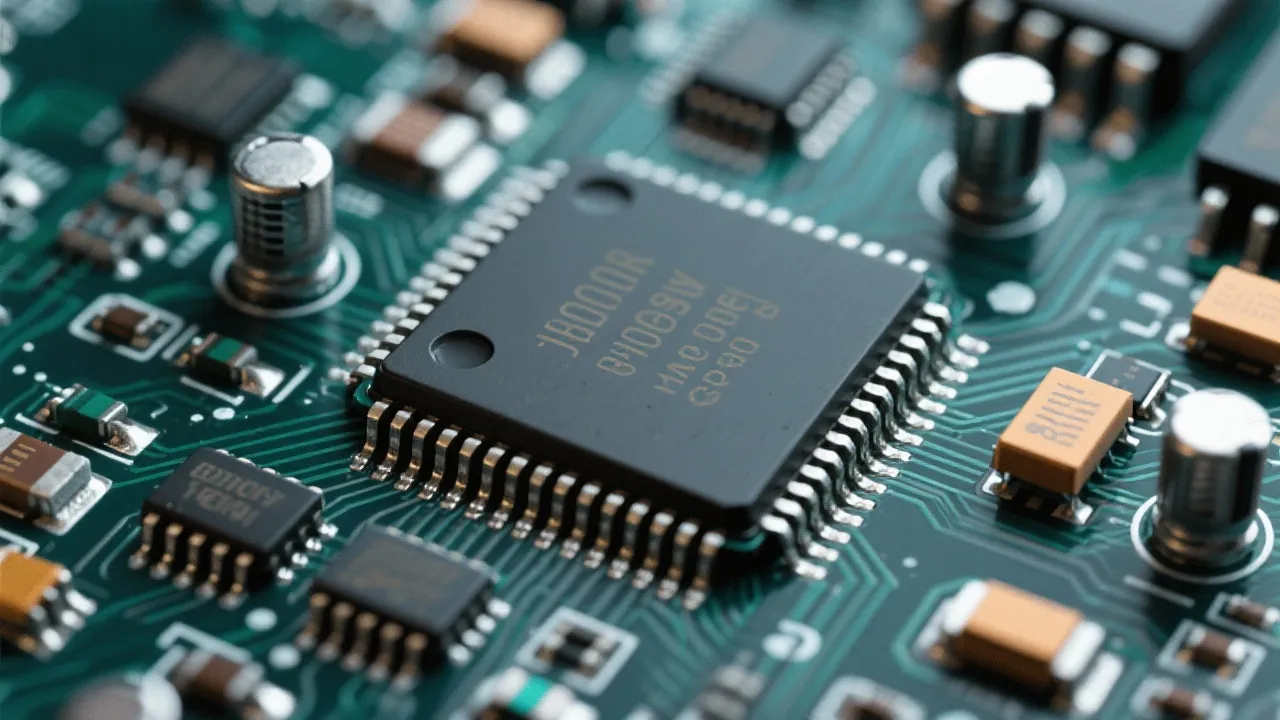
Understanding the LM66100 Digikey
This article delves into the LM66100, a vital electronic component often sourced through Digikey. Exploring its crucial role in ensuring power management efficiency, the article provides insights into its functionality, industry applications, and the significance of collaborating with reputable suppliers like Digikey for quality assurance.