This guide delves into the intricate world of missile technology, examining its evolution and current significance. Missiles have become a critical aspect of national defense strategies across the globe. This article offers a thorough analysis of missile systems, highlighting their components, functionality, and the strategic importance they hold in maintaining national security.
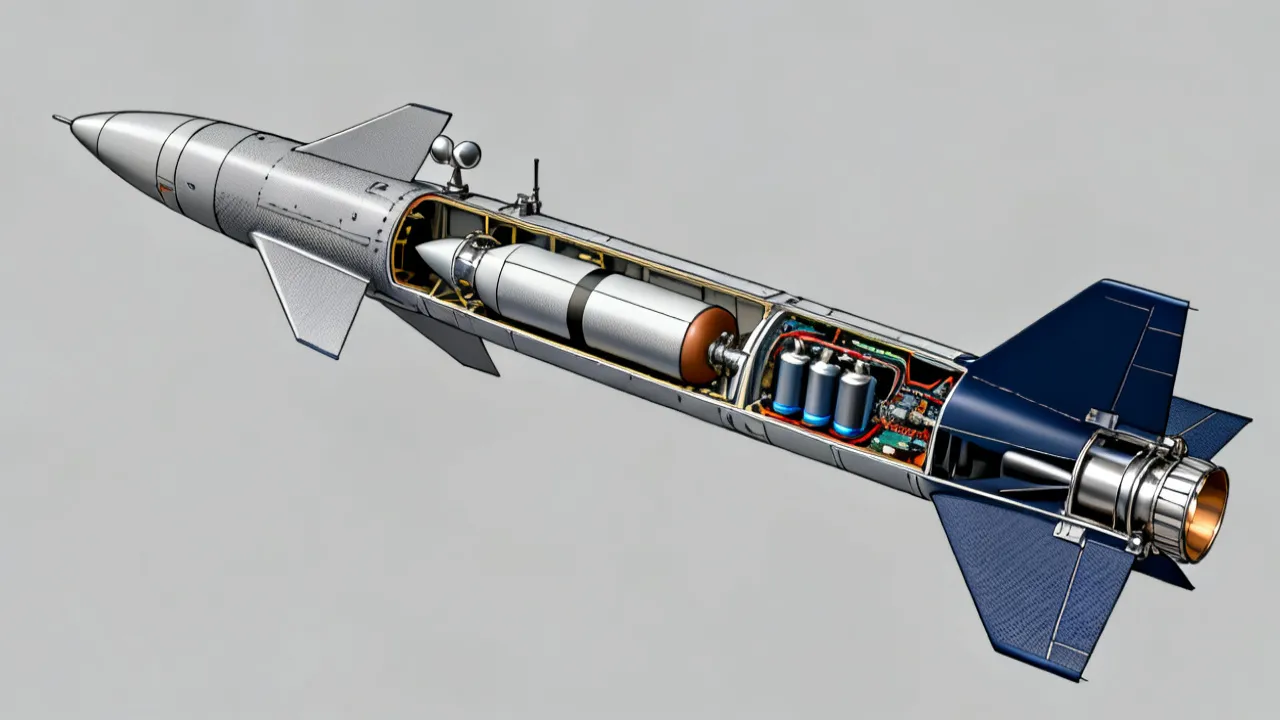
In the modern age, missiles have become fundamental tools in national defense strategies. They represent a fusion of advanced technology and military engineering, aimed at precise delivery of warheads over varying distances. Understanding the multifaceted aspects of missile systems requires a deep dive into their development, components, and strategic importance. These systems embody not only considerable engineering prowess but also reflect geopolitical dynamics and military doctrines across the globe. As nations vie for technological superiority in an increasingly competitive international arena, missiles frequently form the backbone of defense postures, ensuring both deterrence and operational capabilities.
Missiles consist of several critical components, each serving a specific function. The propulsion system is responsible for providing the necessary thrust, with jet engines or rocket motors commonly used. Rocket motors can be classified into solid-fuel and liquid-fuel types, each with distinct advantages and disadvantages. Solid-fuel rockets are simpler and more durable, making them suitable for quick-launch systems, while liquid-fuel types offer more control over thrust but are more complex to handle. The choice of propulsion technology significantly impacts the missile’s range, speed, and operational profile.
Guidance systems, which may include GPS, inertial navigation, or satellite targeting, ensure the missile reaches its intended target. Advanced guidance technologies, such as terminal guidance using radar or homing capabilities, have revolutionized strike accuracy, allowing for precision strikes against high-value and hardened targets. In more sophisticated systems, multi-mode guidance—integrating various technologies—can enhance reliability and accuracy, compensating for potential failures in any singular system.
The payload—often explosive—varies according to the mission and can include conventional explosives, nuclear warheads, or specialized munitions like cluster bombs or bunker busters. Payload design is crucial as it determines the missile's lethality and effectiveness against specific targets. Control systems enable real-time adjustments during flight, which is vital for maintaining trajectory and optimizing impact. These systems have evolved to incorporate advanced computerized systems capable of processing vast amounts of data instantaneously, enhancing the missile’s adaptability to field conditions.
The evolution of missile technology spans decades, marked by advances in guidance systems, propulsion, and materials. Early designs were relatively simple, primarily focusing on ballistics and gravity-dropped ordnance. However, contemporary missiles incorporate state-of-the-art technology for enhanced accuracy and effectiveness. Innovations in materials, such as lightweight composites and stealth technology, have improved performance while reducing detectability during flight. The capabilities of missiles have expanded significantly, leading to various types, including ballistic, cruise, anti-ship, surface-to-air, and air-to-air missiles, each tailored for specific roles and environments.
Ballistic missiles are one of the most formidable classes, capable of delivering payloads over long distances, often exceeding several thousand kilometers. Their launch involves a parabolic trajectory, and they can be equipped with multiple warheads, allowing them to strike different targets simultaneously. Cruise missiles, on the other hand, are designed to fly at low altitudes, utilizing aerodynamic lift to maintain flight, effectively evading radar detection while delivering precision strikes against ground targets. This type of missile relies heavily on advanced navigation systems to follow pre-programmed flight paths.
Anti-ship missiles serve the strategic purpose of targeting naval vessels while integrating technologies such as stealth and sea-skimming trajectories for enhanced effectiveness. Surface-to-air missiles (SAMs) and air-to-air missiles (AAMs) are designed for air defense, targeting incoming aerial threats, including aircraft, drones, and other missiles. Recent developments in missile technology have also seen the introduction of hypersonic missiles, which travel at speeds greater than Mach 5, making them challenging to intercept and offering nations new strategic advantages in warfare.
In today’s geopolitical landscape, missiles play a crucial role. Nations invest heavily in missile technology for deterrence, defense, and strategic superiority. The development and possession of advanced missile technology often serve as a deterrent against potential aggressors, contributing to a nation's security architecture. The strategic doctrine surrounding missile technology encompasses not just the offensive capabilities but also the defensive strategies, including missile defense systems designed to intercept and neutralize threats before they reach their targets.
Furthermore, missile technology has implications beyond traditional military realms; it impacts international relations and global stability. Countries with advanced missile capabilities can exert influence, shaping regional security dynamics. The proliferation of missile technology raises concerns regarding its acquisition by non-state actors or rogue states. Consequently, nations are engaged in diplomatic dialogues and negotiations to curb the spread of such technologies, as evidenced by treaties such as the Intermediate-Range Nuclear Forces Treaty (INF) and efforts led by the Missile Technology Control Regime (MTCR).
With the advancement of missile technology, several challenges arise. Concerns include the proliferation of missile technology, the potential for escalation in conflicts, and the need for effective countermeasures. The rapid pace of advancements means that national defense strategies must continuously evolve to counter emerging threats. The advent of hypersonic technology places additional stress on existing defense systems, necessitating substantial investment in research and development for ground-based defense and satellite systems capable of detecting and intercepting these fast-moving targets.
Additionally, ethical considerations and the humanitarian impacts of missile deployment arise, particularly in conflicts characterized by asymmetric warfare. The potential for civilian casualties and collateral damage must be acknowledged in strategic planning regarding missile strikes. Nations are under increasing pressure to ensure that their military strategies incorporate considerations for international humanitarian law, reinforcing the necessity for accuracy and precision in missile deployment.
International bodies continuously work towards treaties and agreements to regulate and control missile development and deployment. These efforts include cooperative measures such as arms control discussions and public accountability for missile testing. The integration of missile technology with emerging technologies, including artificial intelligence and machine learning, poses further questions regarding autonomous weapon systems and the ethics surrounding their use in combat scenarios.
Examining the historical trajectory of missile technology provides valuable insights into its current applications and technological advancements. From the V-2 rockets of World War II to the sophisticated intercontinental ballistic missile (ICBM) systems of today, each era's developments have been pivotal in shaping military strategy and doctrine. During the Cold War, the arms race focused heavily on enhancing missile capabilities, leading to innovations in defense technologies.
Military applications of missiles have extended far beyond conventional warfare, encompassing deterrence strategies during tense geopolitical standoffs. Countries have continuously refined their missile capabilities to project power globally. The strategic use of missile tests often serves as a demonstration of strength and technological prowess, influencing diplomatic relations and regional stability.
The advent of missile technology prompted the development of countermeasures, leading to sophisticated missile defense systems globally. These systems, such as the United States’ Ground-based Midcourse Defense (GMD) and the Aegis Ballistic Missile Defense, aim to intercept and neutralize incoming missiles before they reach their targets. Effective missile defense requires seamless integration of various systems, including radar, command and control, and interceptors that are capable of responding in real time.
Research continues into advanced missile defense technologies, including directed energy weapons and kinetic interceptors. The effectiveness of these systems is often subject to debates regarding cost, reliability, and the potential arms race that could ensue if countries begin to develop extensive defense capabilities designed to counter ballistic missiles, leading to further destabilization of global security environments.
Looking to the future, the emergence of innovative technologies will likely shape missile development significantly. Advances in material science, miniaturization, and artificial intelligence can lead to more capable systems, enhancing speed, accuracy, and operational versatility. Furthermore, research into unmanned systems and swarming technology presents new avenues for operational planning, allowing for coordinated attacks that can overwhelm defensive capabilities.
The impact of cybersecurity on missile technology cannot be underestimated, as increasingly sophisticated systems become potential targets for cyber warfare. Securing missile systems against cyber threats will be a primary focus in the coming years, requiring robust defensive measures and proactive strategies to safeguard technology integrity against espionage or sabotage.
The geopolitical implications of missile technology are far-reaching, influencing alliances and tensions among nations. Countries with advanced missile capabilities often engage in strategic alliances, sharing technology and intelligence to enhance mutual defense. For example, the U.S. alliance with NATO exemplifies how missile technology serves as a deterrent, providing reassurance to member nations against potential aggressors.
On the other hand, emerging powers may view missile development as essential to asserting their influence on the global stage, leading to regional arms races. Instances such as North Korea's missile tests have escalated tensions within the Asia-Pacific region, prompting neighboring countries to invest in missile defenses and deterrent strategies, further complicating diplomatic relations.
The United States possesses a comprehensive array of missile technologies, including strategic, theater, and tactical systems designed for multiple roles. The U.S. maintains a robust missile defense architecture that integrates advanced early-warning systems and interceptors designed to neutralize threats from hostile nations. The U.S. also actively participates in international collaborations to monitor and regulate missile proliferation, working closely with allies to bolster deterrence in contested regions.
Russia's missile programs reflect a commitment to maintaining a strategic balance with Western powers. The country has modernized its nuclear arsenal, introducing advanced missile systems capable of evading detection and interception. The development of advanced systems, such as the Avangard hypersonic glide vehicle, highlights Russia's focus on maintaining strategic credibility and deterrence in an evolving global landscape.
China has rapidly developed its missile capabilities, with a focus on establishing a comprehensive modern military force. The country's arsenal includes an array of conventional and strategic missiles, designed for regional dominance in Asia and beyond. The increasing sophistication of China's missile systems has prompted a re-evaluation of missile defense strategies in the United States and its allies. The modernization of China's missile technology underscores its ambitions for global influence and power projection.
The future of missile technology will likely be defined by the interplay between technological advancements and evolving global threats. Innovations in hypersonic technology, artificial intelligence, and machine learning will continue to drive developments in missile systems. Efforts to integrate these technologies could lead to the emergence of autonomous systems capable of swift decision-making in combat scenarios, fundamentally altering the landscape of warfare.
As global politics evolve, the nature of missile threats will also change. The focus may shift toward countering unconventional and asymmetric threats where traditional missiles might not be as effective. Nations will likely prioritize the development of diversified capabilities, ensuring flexibility in addressing a complex array of threats while enhancing deterrence against potential adversaries.
Understanding missile technology embodies a comprehensive knowledge of its components, evolution, and strategic significance. As countries continue to navigate complex international relations, missiles remain key to national security strategies, balancing deterrence and defense in a modern world marked by rapid technological progress. The future of missile technology presents a dual-edged sword, offering advancements for defensive capabilities while heightening the potential for conflict. As nations confront the challenges of proliferation, ethical considerations, and the imperative of effective deterrence, missile technology will remain at the center of military strategy and international diplomacy.
Striking the Perfect Balance: Navigating Premiums and Out-of-Pocket Expenses in Senior Insurance Plans

Explore the Tranquil Bliss of Idyllic Rural Retreats

How to Make Lasting Memories at Disneyland Attractions

Affordable Full Mouth Dental Implants Near You

Unlock the Top Kept Secrets to Finding Your Ideal Dentist for Flawless Dental Implant Results!

Discovering Springdale Estates

The Guide to Car Trading

Unlock the Full Potential of Your RAM 1500: Master the Art of Efficient Towing!

Understanding Royal Canin Maxi Adult


Understanding Rlock Advpl in Business
Rlock Advpl represents a pivotal advancement in business software solutions, offering enhanced security and efficiency for enterprise resource planning systems. This article delves into the intricacies of Rlock Advpl, its application in modern businesses, and the benefits it offers in streamlining operations and safeguarding data. As an expert tool, Rlock Advpl is essential for businesses looking to optimize their IT infrastructure.
Unveiling Atranet Innovation
Atranet represents a cutting-edge concept in networking technology. Harnessing its capabilities can transform digital communication by providing seamless connectivity. Designed to optimize data transfer, security, and efficiency, Atranet is shaping the future of how we connect and share information. This article delves into its structure, applications, and potential impacts on industry practices and consumer experiences.

Understanding Polysulfide Adhesive Applications
This comprehensive guide explores the applications and benefits of polysulfide adhesive, highlighting its unique properties and widespread use in construction, aerospace, and automotive industries. Known for its flexibility and resistance to various environmental factors, polysulfide adhesive is a key component in sealing and bonding applications, providing durability and reliability in demanding conditions.

Understanding the Latest Chrome Version
This article delves into the intricacies and features of the latest Chrome version. Chrome, developed by Google, is one of the very popular web browsers globally, known for its speed, simplicity, and security features. Each update aims to enhance user experience through improved functionality and performance. Understanding these updates is crucial for both everyday users and developers.

Maximizing Benefits of Solar Panels: Costs and Energy Efficiency
Solar panels can save money and energy. Discover how to optimize installation for maximum benefits.
Understanding the LM66100 Digikey
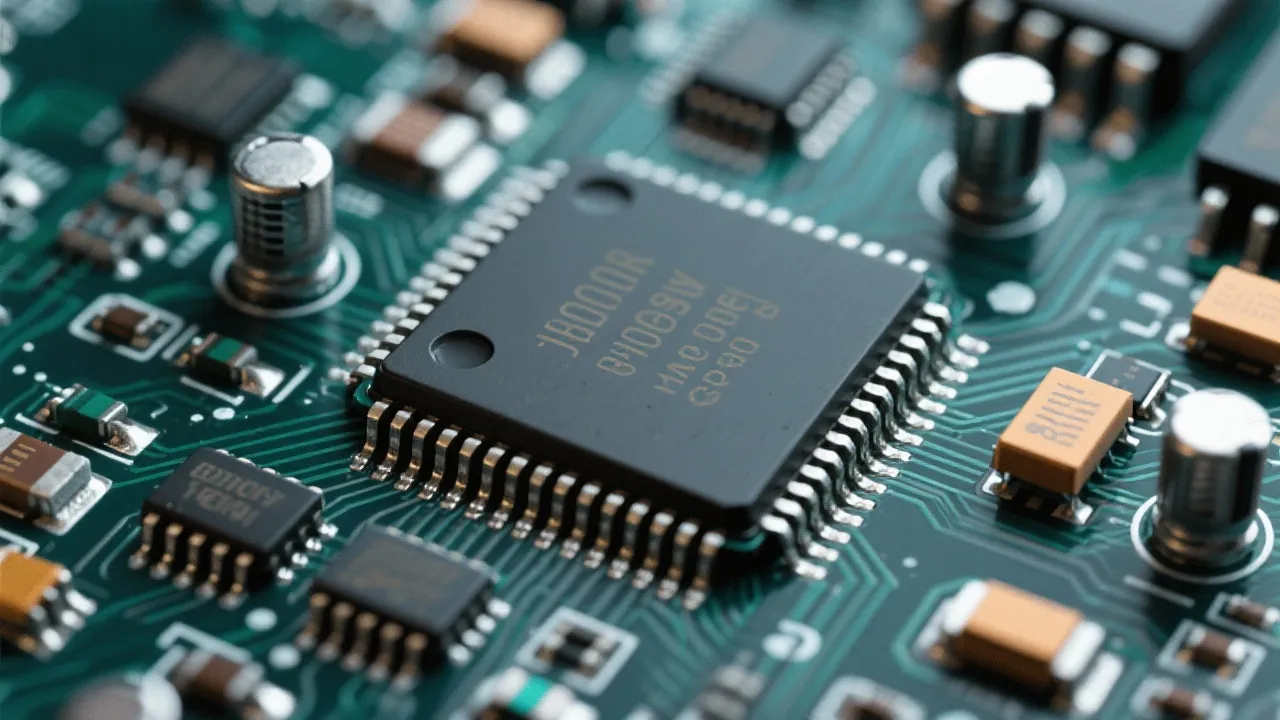
This article delves into the LM66100, a vital electronic component often sourced through Digikey. Exploring its crucial role in ensuring power management efficiency, the article provides insights into its functionality, industry applications, and the significance of collaborating with reputable suppliers like Digikey for quality assurance.