Missiles are sophisticated, guided weapons systems designed primarily to deliver explosives over long distances. Employed by military forces worldwide, they play a crucial role in defense strategies. In this comprehensive article, we delve into the history, technology, and strategic importance of missiles, examining their evolution from rudimentary projectiles to modern-day precision weapons.
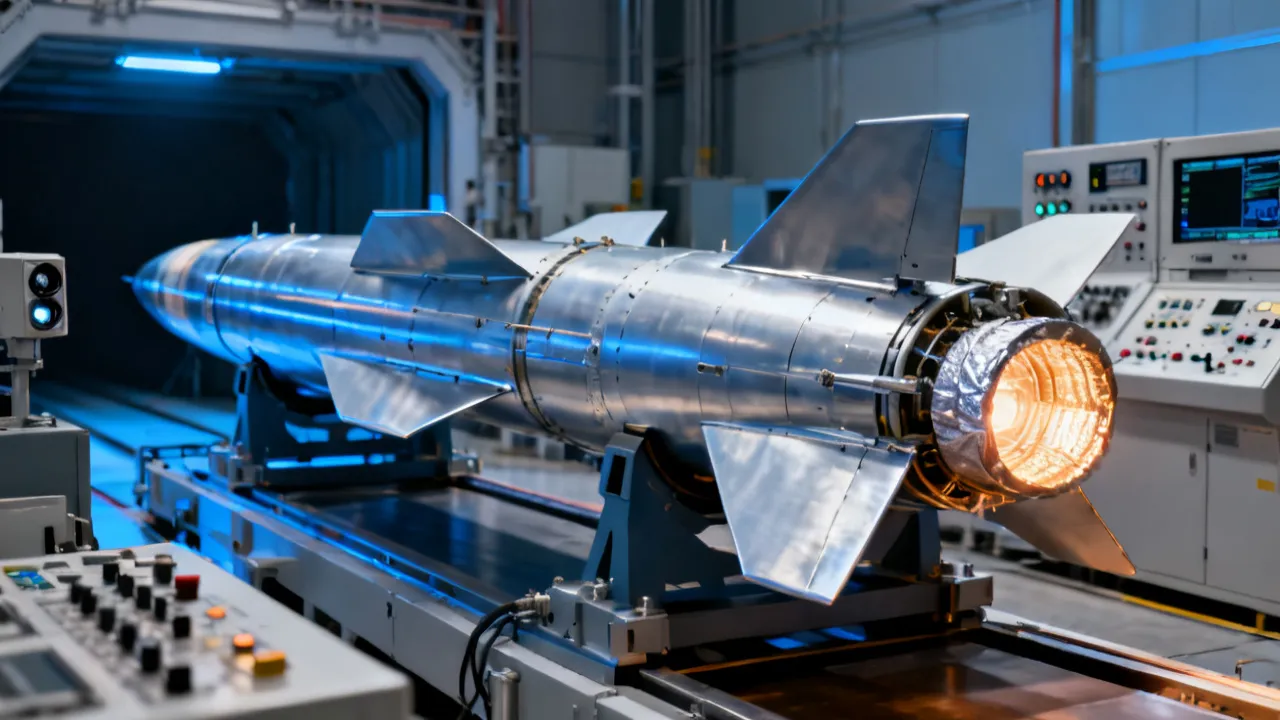
The development of missile technology has revolutionized military operations globally, enabling the delivery of explosive power with pinpoint accuracy. From their rudimentary inception during the early 20th century, missiles have evolved significantly to become sophisticated systems with capabilities ranging from short-range engagement to intercontinental reach. These advancements reflect not just technological leaps but also an adaptive response to changes in warfare dynamics, international relations, and emerging threats.
Initially, missiles were primarily developed for the purpose of extending range and increasing lethality on the battlefield. The World War II era marked the beginning of substantial military investment in missile technology. Early missiles, such as the German V-2 rocket, showcased the potential of guided ballistic projectile systems to strike targets far from their launch points. This capability foreshadowed the incremental steps towards the contemporary systems we rely on today, which are often equipped with complex navigational aids and sophisticated payload delivery systems.
Missiles are guided weapons capable of traveling over designated trajectories to deliver a warhead with precision. They generally comprise three main components: the platform (such as a launcher), the missile itself, and the guidance system, which varies from mechanical to advanced electronic navigation. The choice of guidance system impacts a missile’s accuracy and performance significantly. Each component must work in concert, ensuring the missile can inaccurately navigate toward its intended destination while managing external factors like wind, temperature, and target movement.
The platform can take various forms, from mobile ground launchers and ships to aircraft and submarines, allowing missiles to be deployed flexibly in a range of combat conditions. Portable systems, such as man-portable air-defense systems (MANPADS), have become increasingly common, demonstrating a shift toward also empowering individual infantry units with effective anti-air capabilities.
Missile variants are often categorized by their range and tactical application. Short-range missiles are typically utilized for quick responses in proximal conflicts, while long-range or cruise missiles are engineered for strategic and targeted overseas operations. Ballistic missiles follow a predetermined arc, whereas cruise missiles maintain sustained flight paths. Furthermore, the types of warheads they can carry also dictate their operational roles in modern warfare.
| Type | Range | Usage |
|---|---|---|
| Short-Range Ballistic | Up to 1,000 km | Fast response within nearby conflicts |
| Intermediate-Range | 1,000-5,500 km | Strategic targeting across nations |
| Intercontinental | Over 5,500 km | Long-range deterrence and power projection |
| Cruise Missile | Variable | Precision airstrikes |
Missiles play an instrumental role in modern defense strategies, providing nations with a means to engage adversaries without direct confrontation. Their capability to carry diverse payloads – conventional explosives, nuclear, chemical, or biological warheads – further underlines their strategic value as both deterrents and active offensive tools. The possession of advanced missile systems can serve as a powerful deterrent against potential aggressors, fundamentally altering the balance of power between nations.
In today’s geopolitical landscape, missile technology is often a focal point of military modernization programs. Countries prioritize developing and testing missile systems to ensure they do not fall behind adversaries. The expansion of missile capabilities is often followed by political conversations surrounding arms control and disarmament, as there is widespread recognition of the potential for miscalculation and escalation should tensions rise. The deployments of missile defenses systems, such as THAAD (Terminal High Altitude Area Defense) or Aegis, demonstrate efforts to counter the missile threats posed by rogue states or hostile entities.
Additionally, the proliferation of missile technology – particularly in regions with ongoing conflicts – emphasizes the need for international cooperation and treaties aimed at controlling strategic arms while addressing threats posed by non-state actors. The advent of missile technology has necessitated new diplomatic frameworks to reduce the risk of unintended escalations leading to conflict.
The past few decades have seen accelerated technological growth in missile systems, driven by advancements in propulsion, materials science, and miniaturized electronics. Enhanced propulsion systems offer greater range and speed, while adaptive guidance systems improve targeting accuracy. Innovations in materials contribute to more resilient missiles that can withstand adversarial countermeasures.
One of the most notable advancements in propulsion has been the development of dual-mode propulsion systems that combine both solid and liquid propulsion capabilities. This innovation offers flexibility and adaptability, enabling missiles to maximize operational efficacy across various environments. Thermoelectric and hybrid energy systems are also being explored, aimed at improving fuel efficiency.
Furthermore, the integration of artificial intelligence (AI) in missile guidance systems marks a significant leap forward. AI can analyze vast datasets in real-time to optimize targeting decisions, enhance the adaptability of missiles in-flight, and improve response times. As military reliance on data networks grows, the significance of cyber protection for missile systems becomes paramount, ensuring that these systems can't be easily countered or manipulated by hostile forces.
Moreover, the industrial revolution in automation and robotics fosters the creation of smaller, more efficient missiles capable of operating alongside autonomous drones. This shift not only enhances operational capacities but also introduces ethical and legal considerations regarding autonomous decision-making in conflict scenarios. The ability to strike targets with high precision through coordinated drone and missile operations illustrates the changing face of warfare and the integration of disruptive technologies.
Q: What is the primary function of a missile?
A: Missiles are primarily designed to deliver explosive payloads with precision over varying distances, for military and strategic purposes.
Q: How are missiles guided to their targets?
A: Missiles utilize a range of guidance systems from infrared and radar guidance to GPS and inertial navigation systems, which dictate their accuracy and ability to adapt their flight paths.
Q: What differentiates ballistic from cruise missiles?
A: Ballistic missiles have a high arc trajectory, relying on gravitational forces to hit their target while cruise missiles maintain a level flight path using propulsion. This also influences their operational deployment, with ballistic missiles often designed for strategic deterrence and cruise missiles for tactical roles.
Q: How has technology improved missile capabilities?
A: Enhanced propulsion, adaptive guidance systems, and advanced materials have improved range, accuracy, and resilience against interception and environmental challenges. Failure modes, too, have been addressed, leading to missiles that can recover from certain mistakes or navigate obstacles more effectively.
Q: What measures are taken to prevent missile proliferation?
A: Measures to prevent proliferation include international treaties such as the Non-Proliferation Treaty (NPT), Missile Technology Control Regime (MTCR), and varying bilateral agreements between nations. Various attending bodies work to monitor compliance, with the understanding that cooperation and verification are critical in maintaining global security.
Missile technology signifies a cornerstone of modern military capabilities, evolving through technological advances and strategic doctrines to address global security needs. As geopolitical dynamics shift, the missile industry is expected to continue evolving, integrating cutting-edge technologies to enhance their operational effectiveness and strategic roles. This evolution inevitably raises crucial questions about the future territories of warfare, the balance of power among nations, and the ethical implications intertwined with wielding such destructive capabilities.
Furthermore, the implications of rapid missile advancements extend into the civilian sector as well, where technology developed for military purposes often transcends its original intent, paving the way for innovations in various fields such as aerospace, surveillance, and telecommunications. As we navigate through an age marked by increasingly complex security challenges, understanding the trajectory of missile technology becomes vital not just for national security experts but for informed citizens aiming to grasp the implications of military innovations on global peace and stability.
In conclusion, while missile technology provides significant advantages in warfare, it also prompts discussions around restraint and responsibility, emphasizing the need for a comprehensive approach to international relations that prioritizes diplomacy over conflict. As nations strive for security through strength, the hope remains that this pursuit does not lead to a cycle of escalation but rather fosters a collective commitment to reducing tensions and fostering dialogue among global actors.
Striking the Perfect Balance: Navigating Premiums and Out-of-Pocket Expenses in Senior Insurance Plans

Explore the Tranquil Bliss of Idyllic Rural Retreats

How to Make Lasting Memories at Disneyland Attractions

Affordable Full Mouth Dental Implants Near You

Unlock the Top Kept Secrets to Finding Your Ideal Dentist for Flawless Dental Implant Results!

Discovering Springdale Estates

The Guide to Car Trading

Unlock the Full Potential of Your RAM 1500: Master the Art of Efficient Towing!

Understanding Royal Canin Maxi Adult


Understanding Rlock Advpl in Business
Rlock Advpl represents a pivotal advancement in business software solutions, offering enhanced security and efficiency for enterprise resource planning systems. This article delves into the intricacies of Rlock Advpl, its application in modern businesses, and the benefits it offers in streamlining operations and safeguarding data. As an expert tool, Rlock Advpl is essential for businesses looking to optimize their IT infrastructure.
Unveiling Atranet Innovation
Atranet represents a cutting-edge concept in networking technology. Harnessing its capabilities can transform digital communication by providing seamless connectivity. Designed to optimize data transfer, security, and efficiency, Atranet is shaping the future of how we connect and share information. This article delves into its structure, applications, and potential impacts on industry practices and consumer experiences.

Understanding Polysulfide Adhesive Applications
This comprehensive guide explores the applications and benefits of polysulfide adhesive, highlighting its unique properties and widespread use in construction, aerospace, and automotive industries. Known for its flexibility and resistance to various environmental factors, polysulfide adhesive is a key component in sealing and bonding applications, providing durability and reliability in demanding conditions.
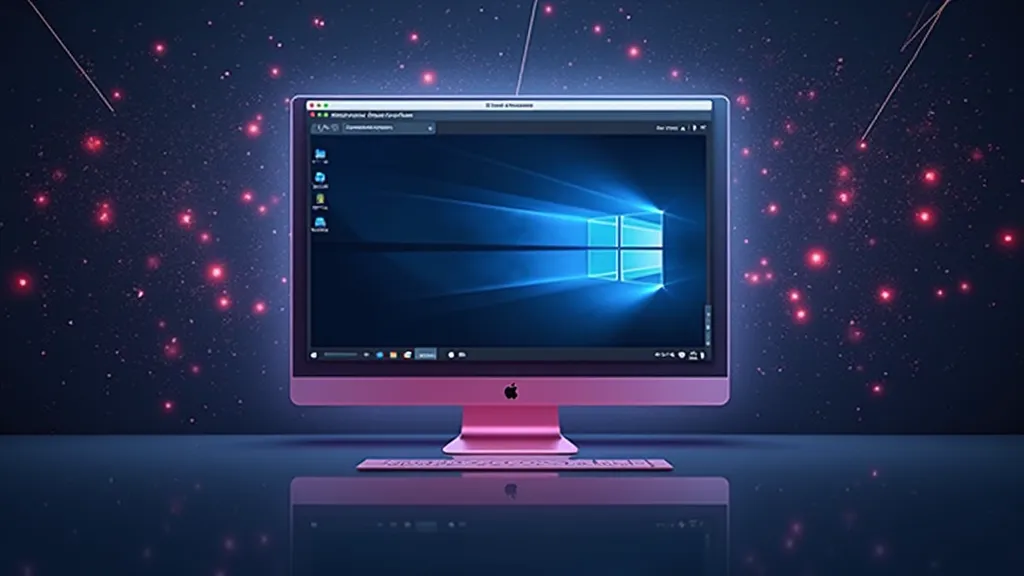
Understanding the Latest Chrome Version
This article delves into the intricacies and features of the latest Chrome version. Chrome, developed by Google, is one of the very popular web browsers globally, known for its speed, simplicity, and security features. Each update aims to enhance user experience through improved functionality and performance. Understanding these updates is crucial for both everyday users and developers.

Maximizing Benefits of Solar Panels: Costs and Energy Efficiency
Solar panels can save money and energy. Discover how to optimize installation for maximum benefits.
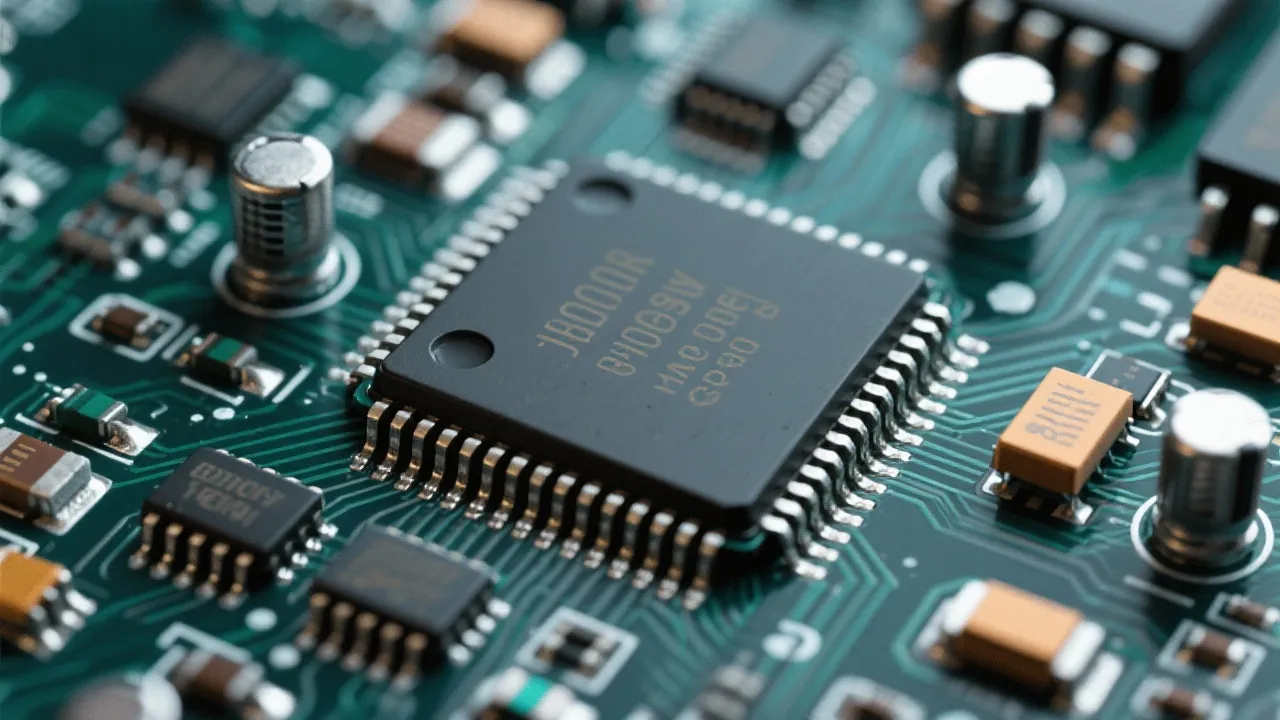
Understanding the LM66100 Digikey
This article delves into the LM66100, a vital electronic component often sourced through Digikey. Exploring its crucial role in ensuring power management efficiency, the article provides insights into its functionality, industry applications, and the significance of collaborating with reputable suppliers like Digikey for quality assurance.