The Shogun Assassination Arc is a pivotal storyline in the renowned anime and manga series "Gintama," offering a rich blend of drama, action, and historical intrigue. Set in an alternative Edo-period Japan, this arc centers around the political turmoil and conflicts involving key figures in the samurai community as they protect or attack the Shogun. Known for its deep narrative and character development, the Shogun Assassination Arc explores themes of loyalty, betrayal, and the pursuit of justice.
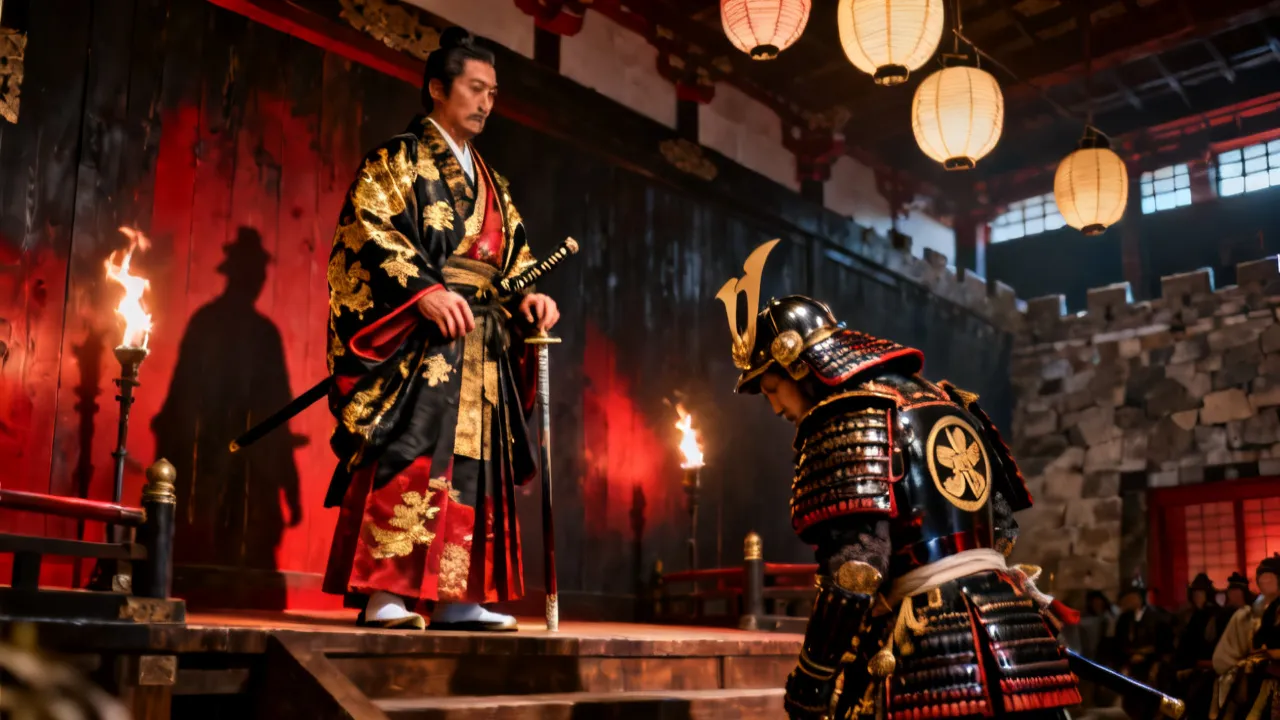
The Shogun Assassination Arc stands out as a crucial segment within the "Gintama" series, encapsulating a blend of historical fiction, drama, and action. Set against a backdrop that mirrors a transformed Edo-period Japan, this arc dives deep into the political intricacies where samurai and rebels alternate between loyalty and treachery. Not only does it represent a pivotal moment in the lives of key characters, but it also offers a canvas for rich storytelling techniques that define "Gintama." The arc is celebrated for its intricate narratives, character progression, and the nuanced themes of loyalty, betrayal, and justice that resonate profoundly within the plot.
In the series, the Shogun symbolizes the pinnacle of political power, embodying both stability and tyranny under Edo's government. This fictional depiction evokes the historical samurai codes and traditions, showcasing the societal roles each character must navigate. The arc’s political landscape is marked by tension, as characters grapple with their allegiances in a society rife with corruption and the pressure of external and internal forces. The introduction of dissenting factions not only complicates the existing order but also deepens the narrative, illustrating a microcosm of war and peace, loyalty and disloyalty, reminiscent of a volatile Japan on the brink of transformation.
The arc heavily explores themes of tradition versus change, where the characters’ allegiances are tested amid the impending doom of the Shogunate. The Shogun’s assassination plan becomes a catalyst for discussions on whether to uphold the status quo or to embrace revolution. As such, viewers are offered a lens through which the historical tension of the Meiji Restoration and samurai disillusionment can be analyzed, reflecting how the past continues to shape the future.
Central to this arc are the diverse characters whose loyalties are put to the test. The protagonist, Gintoki Sakata, portrays the quintessential traits of a roguish anti-hero—a blend of humor and depth. His personal journey is further complicated by the pressures of leadership, the weight of his past, and the loss of friends to betrayal. His struggles illustrate not only the burden of expectations placed upon him by society but also the moral dilemmas inherent in the world of the samurai.
Key figures such as Shinpachi Shimura and Kagura accompany Gintoki through the challenges, each providing insight into their respective motivations. Shinpachi, with his sense of justice, often serves as the moral compass, while Kagura’s fierce independence and strength highlight the ways in which tradition can be both protective and limiting. As allies become adversaries and old friends re-emerge with new motives, each character is forced to contend with their ideals and the harsh realities of their world.
Moreover, characters like Katsura Kotarou and Hijikata Toushirou are introduced, representatives of opposing factions with their vision for Japan's future. These encounters provide compelling character arcs filled with growth, introspection, and evolving motivations. Each character's journey not only enriches the narrative but also emphasizes the bond and camaraderie that can exist even amid chaotic circumstances, leading to a poignant exploration of friendship, sacrifice, and the price one must pay for their convictions.
At the heart of the Shogun Assassination Arc lie themes of loyalty and betrayal, crucial elements of the samurai code known as "bushido." Through expertly crafted storytelling, characters grapple with their personal beliefs and the loyalty dictated by their hierarchical positions. Each choice made under the duress of political machinations becomes a reflection of the ethical dilemmas faced by the characters. The pursuit of justice, often against insurmountable odds, adds a compelling ethical dimension to the arc, challenging viewers to consider the cost of true justice and the personal sacrifices made in its name.
Betrayal is a recurring motif throughout this arc, serving as the emotional backbone of numerous plot twists. The question of who can truly be trusted echoes throughout, as characters are often forced to reevaluate their relationships. This breakdown of trust prompts a broader conversation about the nature of loyalty—a theme identified not only in the samurai code but also in the relationships within Gintoki’s group. The stakes become increasingly high as characters tangle with their fates, forcing the audience to confront what loyalty means within a society that seems to shift like sand beneath their feet.
Justice, often portrayed as an elusive goal, becomes a quest for many characters. The struggle against corrupt systems highlights the complex interplay between personal ethics and societal expectations. Gintoki and his comrades find themselves wrestling with the consequences of their actions as they seek to do right in a world rife with ambiguity. This internal conflict resonates with the audience, asking them to consider: what does it mean to pursue justice when faced with a morally gray reality?
The Shogun Assassination Arc does not only excel in its narrative depth but also in its visual storytelling. The animation quality is particularly impressive, employing intricate designs and vibrant colors that enhance the overall experience. The battle sequences are not merely a display of combat; they are choreographed with a philosophical undercurrent, mirroring the emotional states of the characters involved. Key scenes are infused with symbolic imagery that underscores the thematic explorations of loyalty and betrayal, drawing viewers deeper into the world of "Gintama."
Strategic pacing plays an essential role in maintaining narrative tension throughout the arc. The build-up to climactic moments is masterfully crafted, ensuring that audiences remain engaged and invested in the outcomes. Each episode contributes to a broader narrative tapestry, with foreshadowing hints and subtle character interactions adding layers of complexity. The climactic battles not only serve as action-packed escapades but also as emotional fulcrums where characters confront their deepest fears and desires.
Moreover, the incorporation of humor amidst the dire circumstances showcases the unique tone of "Gintama." The juxtaposition of comedic elements with serious themes enables a richer storytelling experience, allowing the audience to obtain temporary relief while also reinforcing the emotional stakes. This combination of varied storytelling techniques ensures an immersive viewing experience that transcends typical anime tropes, making the arc both entertaining and thought-provoking.
The Shogun Assassination Arc significantly impacts the overarching narrative of "Gintama." This arc not only serves to develop character depth but also challenges the very foundation upon which the series stands. As Gintoki and his friends navigate their tumultuous paths, the implications of their actions resonate through subsequent arcs, illustrating how conflicts echo within the fabric of their world.
Moreover, the weight of this arc extends to discussions on historical context and its implications for contemporary viewers. The portrayal of a decaying shogunate and the ideals of loyalty force audiences to reflect on modern societal structures. The characters’ struggles mirror many current social and political climates, creating a bridge between fiction and reality that provokes meaningful dialogue.
As "Gintama" progresses, the decisions made during the Shogun Assassination Arc lay the groundwork for critical conflicts in later arcs. For example, characters who underwent significant growth during this period will evolve further, facing the repercussions of their loyalties and betrayals while striving for redemption and clarity in a chaotic world. The arc thus functions as a pivotal turning point, portraying the transient nature of power and the resilience of those affected by it.
The Shogun Assassination Arc has garnered significant acclaim from fans and critics alike, often cited as one of the high points of the "Gintama" series. Its balance between humor, action, and deep emotional resonance has led to discussions about what constitutes great storytelling in anime. Many fans laud the arc for its ability to weave comedy into serious themes without undermining the weight of the narrative. Critics have similarly praised its storytelling techniques, specifically highlighting character development and the complex themes that transcend the initial comedic presentation of the series.
The legacy of the Shogun Assassination Arc extends beyond its immediate impact. It has influenced a plethora of subsequent anime and manga works, drawing attention to how narrative depth and character exploration can elevate what may otherwise be perceived as a light-hearted series. This arc serves as a model for anime creators aiming to balance humor with moments of critical reflection, showcasing that even within fantastical settings, profound truths about human nature can be explored.
In conclusion, the Shogun Assassination Arc captivates its audience through its complex storytelling and dynamic character evolution. By delving into the fabric of political intrigue and moral conflict, it offers a profound exploration of human nature set against the backdrop of samurai legend. This arc confronts viewers with a tapestry of themes: loyalty versus betrayal, personal convictions versus societal obligations, and the relentless pursuit of justice amidst chaos.
For consumers of historical fiction, anime enthusiasts, and those drawn to narratives rich in ethical questioning, the Shogun Assassination Arc stands as a high watermark within the "Gintama" story universe. Its exploration of the samurai spirit, intertwined with personal growth and societal upheaval, encourages viewers to engage with the story on multiple levels. Audiences are left to ponder the decisions of the characters and their outcomes, resonating long after the conclusion of the arc and solidifying its status as a classic in contemporary anime storytelling.
To fully appreciate the Shogun Assassination Arc, one must consider the historical context that inspired its narrative. The late Edo period, characterized by the decline of the Tokugawa shogunate, was a time of immense political and social change in Japan. Understanding this backdrop further enriches the viewing experience, inviting audiences to correlate the fictional portrayals in "Gintama" with real historical events.
The examination of how these historical shifts influenced samurai culture, social hierarchy, and the rise of political factions informs the complex character dynamics within the arc. The struggle for power against foreign influence, coupled with the yearning for societal reform reflects some of the actual challenges faced by Japan during the Bakumatsu period. By mirroring these real-life conflicts, the arc enhances its relatability and significance, effectively inviting viewers to reflect on their own social realities.
This strategic incorporation of history serves not only as a setting but as a character in its own right—an ever-present force shaping the motivations and actions of the characters. The wisdom imparted by historical allegories within the narrative can serve as a lesson on the cycles of power and the need for adaptation amidst change. It encourages a contemplation of how the legacy of the past can influence present realities and future directions.
Delving deeper into the characters’ interactions during the Shogun Assassination Arc reveals an intricate web of relationships molded by history, conflict, and personal ambition. The diversity of personalities, backgrounds, and motivations showcases the complex spectrum of human emotion and behavior. Consider the dynamic between Gintoki and Hijikata; they embody opposing ideologies while still recognizing the humanity in each other. Their conversations and confrontations are laden with both respect and rivalry, representing the broader conflict between traditional values and the desire for progress.
The camaraderie among Gintoki, Shinpachi, and Kagura is tested at every turn, revealing the fragility of their relationships amid external pressures. Through trials and tribulations, their loyalty to each other is alternatively challenged and solidified, a reflection of how real-life bonds are often dynamic and influenced by circumstances. This exploration of friendship introduces a delicate emotional layer, encouraging audiences to invest in their fates. These relationships serve as a microcosm of the larger societal struggles portrayed, emphasizing how personal connections endure amidst chaos.
The Shogun Assassination Arc also invites critical reflection on the evolution of the samurai code—bushido—within the context of modernity. Characters are no longer bound by rigid interpretations of loyalty and honor; instead, they grapple with their interpretations shaped by the turbulent realities of their world. The arc raises pertinent questions: What does it mean to be honorable in the face of corruption? How do one’s ideals shift when confronted with personal loss and betrayal?
By navigating these questions, the narrative presents a nuanced view of the samurai philosophy, showcasing its relevance or obsolescence in light of contemporary dilemmas. The evolution of bushido from an unwavering guide to a personal moral compass reflects broader thematic inquiries about the flexibility of ethics in times of crisis. This progression invites viewers to contemplate how traditions may need to adapt to align with current realities, which is a timeless conversation transcending cultural and temporal boundaries.
Ultimately, the Shogun Assassination Arc serves as a profound reminder of the intersection between personal choice and societal ideals. The story embraces the complexities of human nature—our desires, fears, and the inherent contradictions that shape our identities. The arc’s exploration resonates within a contemporary framework, as individuals still contend with issues of loyalty, justice, and the cost of personal conviction.
As viewers reflect on the lessons encompassed within this arc, they are invited to introspect on their own values, relationships, and responses to the world around them. The timeless themes of the Shogun Assassination Arc ensure its continued relevance, making it not just a moment within "Gintama," but a lasting contribution to the discourse on morality and the human condition.
Striking the Perfect Balance: Navigating Premiums and Out-of-Pocket Expenses in Senior Insurance Plans

Explore the Tranquil Bliss of Idyllic Rural Retreats

How to Make Lasting Memories at Disneyland Attractions

Affordable Full Mouth Dental Implants Near You

Unlock the Top Kept Secrets to Finding Your Ideal Dentist for Flawless Dental Implant Results!

Discovering Springdale Estates

The Guide to Car Trading

Unlock the Full Potential of Your RAM 1500: Master the Art of Efficient Towing!

Understanding Royal Canin Maxi Adult


Navigating Television to Understand Western Culture: A Beginners Guide
In today’s global society, understanding Western culture often comes from TV. Exploring TV shows provides rich insights into these norms and values.

Favorite Celebrity Couples: Where Are They Now?
In the world of glitter and glam, celebrity couples often captivate our imaginations. We admire their glamorous lifestyles, shared red carpet moments, and seemingly perfect relationships. But, as time passes, many of these high-profile couples take different paths. Let’s take a walk down memory lane and catch up with some of our favorite celebrity couples—where are they now?

Behind the Scenes of Popular Movies: Fun Facts You Didn’t Know
The magic of movies often lies in the seamless blend of storytelling, acting, and special effects that transport us into different worlds. But behind every great movie is a treasure trove of fascinating behind-the-scenes details that add even more layers to the films we love. Here’s a look at some fun facts from popular movies that you probably didn’t know!

Ultimate Guide to Traveling to Film Locations for Movie Enthusiasts
Are you a cinema aficionado interested in exploring captivating movie locations? Here’s your detailed guide on traveling to famous film locales around the globe.

Maximize Your TV Experience: Culture Through Television Shows
Television shows offer a deep dive into various cultures. Discover tips on choosing and enjoying shows that enrich your cultural understanding and enjoyment.

Maximizing Enjoyment of TV Shows in Western Culture
Watching television shows is a popular leisure activity in Western culture. To maximize your enjoyment and make the very out of this experience, follow these tips and advice.