This article covers the essentials of payment processing systems, vital tools in the finance industry enabling secure monetary transactions between consumers and merchants. These systems streamline the exchange process, enhance user convenience, and reduce transaction times. Additionally, insights into major bank accounts online highlight bonuses and requirements for opening personal accounts at top US banks.
Payment processing systems are fundamental components in today's digital economy, providing the backbone for transactions between buyers and sellers. These sophisticated systems enable merchants to securely capture and process payments from consumers, whether through credit cards, digital wallets, or bank transfers. With the rise of e-commerce, the evolution of these systems continues to promote seamless financial transactions globally. Payment processing has become an integral part of both physical and online retail, making it vital for businesses to understand its mechanics, as well as the options available to them.
The landscape of payment processing is evolving rapidly. With the proliferation of mobile technology, the demand for efficient, user-friendly payment processing options is higher than ever. Customers expect smooth, instantaneous transactions that protect their financial information while offering a variety of payment methods to choose from. As a result, both traditional banks and newer fintech companies are competing to provide the most innovative solutions, constantly enhancing their platforms to meet changing consumer needs and regulatory requirements.
At the core of a payment processing system is a series of transactions that translate consumer data into secure payments for merchants. This journey typically involves several key players, including the customer, merchant, acquiring bank, payment processor, and issuing bank. The process consists of data encryption, fraud screening, and authorization request and response, all with the goal of swiftly and safely completing transactions. Each step is crucial in ensuring that the funds are correctly processed while safeguarding sensitive information.
When a customer initiates a payment, they enter their payment details, which are securely transmitted to the payment processor. This processor then communicates with the merchant’s acquiring bank to request authorization for the transaction. The acquiring bank sends the transaction details to the customer’s issuing bank, which checks for available funds and evaluates fraud risk. Once authorized, the funds are transferred from the customer’s account to the merchant's account, completing the transaction. This entire process can take mere seconds, demonstrating the efficiency of modern payment processing systems.
In addition to authorization, payment processing systems also manage transaction settlements, which typically occur within a few business days. This settlement process involves reconciling accounts, where the payment processor ensures that the approved transactions are finalized and the respective funds are moved between banks. Handling disputes and chargebacks is another critical function, allowing customers to address any discrepancies or fraudulent activities related to their payments.
In the finance industry, payment processing systems are crucial for both small-scale and large-scale transactions. They help minimize risk, prevent fraud, and enable rapid growth for businesses by supporting various payment methods. The systems are designed to comply with financial regulations, ensuring secure transactions and increasing customer trust. These regulations often require rigorous security measures, including encryption, tokenization, and compliance with protocols such as the Payment Card Industry Data Security Standard (PCI DSS).
The rise of digital payments has led to an increasing number of partnerships between technology companies and financial institutions, fostering innovation in payment methods. For instance, mobile payment solutions and digital wallets have gained popularity among consumers due to their convenience and enhanced security measures, such as biometric authentication. This shift has prompted traditional banks to adapt by integrating these new technologies to stay competitive in a rapidly changing market.
Bank accounts online have significantly benefited from advancements in payment processing technology. Many banks offer enticing bonuses for new account holders to attract more customers. Below is a comparative table showcasing major banks in the U.S., outlining their account types, bonus conditions, and the amount offered.
| Bank | Account Type | Bonus Condition and Amount |
|---|---|---|
| Bank of America | Personal Checking Account | Deposit at least $2,000 in direct deposits within 90 days for a $200 bonus |
| Chase Bank | Total Checking Account | Make at least one direct deposit of any amount within 90 days to receive $300 |
| Citibank | Regular Checking Account | Complete two direct deposits totaling $6,000 or more within 90 days for a $450 bonus |
| Wells Fargo | Everyday Checking Account | Deposit a total of $1,000 in direct deposits within 90 days to earn a $300 bonus |
| SoFi Bank | Checking and Savings Account | Deposit $1,000 for a $50 bonus or $5,000 for a $300 bonus in direct deposits |
| Capital One Bank | 360 Checking Account | Use promo code REWARD250; make two $500+ direct deposits within 75 days for $250 |
Source: Please visit each bank's official website for more information. These bonuses are not just monetary incentives; they can also be part of strategic marketing campaigns by banks trying to expand their customer base and increase digital engagement.
To qualify for these bonus offers, it is essential to meet the specific requirements stipulated by each bank. Here's a step-by-step guide:
Completing each step carefully is crucial, as missing any condition can result in forfeiting the bonus. Additionally, some banks may have alternatives or additional tasks that can enhance your chance of earning a bonus. It’s always a good idea to engage with the bank’s customer service for clarity on any terms and to stay updated on any promotional offers they may be running.
What is a payment processing system?
A payment processing system is a mechanism that facilitates the transactions between consumers and merchants by handling the authorization, processing, and settlement of funds. It is the automated medium through which financial transactions occur, ensuring security and efficiency.
Why are bonuses offered by banks for opening accounts?
Banks offer bonuses as an incentive to attract new customers and increase their deposit bases, thereby enhancing their financial growth. By providing these bonuses, banks can encourage more customers to use their facilities and services, thus expanding their market share.
Are these account bonuses taxable?
Yes, typically, bonuses given by banks are considered interest and may be subject to taxation. It is advisable to consult with a tax professional to understand how such bonuses will impact your individual tax situation. Additionally, banks will often provide tax documents at year-end to assist customers in reporting this income accurately.
What are the types of payment processing systems?
Various types of payment processing systems exist that cater to different businesses and consumer needs, including traditional credit card processors, mobile payment systems, digital wallets, and peer-to-peer (P2P) transfer systems. Each type offers unique features to serve different transaction environments, such as retail, e-commerce, or app-based purchases.
How do security measures affect payment processing?
Security measures such as encryption and fraud detection play a critical role in the payment processing ecosystem. These measures protect sensitive information, reduce the risk of fraud, and maintain consumer trust in financial transactions. Compliance with industry standards ensures that payment systems remain reputable and secure.
What innovations are emerging in payment processing systems?
Innovations such as contactless payments, biometric authentication, and blockchain technology are transforming payment processing systems. These advancements are designed to enhance speed, convenience, and security, catering to the modern needs of consumers who demand efficient and secure transactions.
Understanding payment processing systems is crucial for both consumers and businesses engaging in digital transactions. As these systems evolve, they continue to offer a more secure, efficient, and convenient way to manage finances. The growth of e-commerce and digital banking underscores the importance of these systems, further highlighting the role they play in our daily lives. Furthermore, online bank accounts offering bonuses present a lucrative opportunity for consumers to enhance their financial portfolios. It is always recommended to stay informed through reliable sources and bank direct links for the most current information, enabling individuals to make informed decisions about their banking and financial activities.
In navigating the complexities of payment processing and banking opportunities, consumers can maximize their benefits, from choosing the right bank account to understanding fees associated with transactions and bonus offers. As financial literacy continues to evolve alongside technology, individuals are better equipped to manage their finances effectively and take advantage of incentives available in the economy.
Disclaimer: The above information comes from online resources, and the data is as of October 2023. This information may vary over time and by region. It is advisable to check the official websites of banks or contact customer service for the very up-to-date information before opening an account. Additionally, some rewards may only be available in specific regions or may have other restrictions. Understanding terms and conditions related to bonuses and payment processing systems also empowers consumers to navigate their financial landscape with confidence.
Striking the Perfect Balance: Navigating Premiums and Out-of-Pocket Expenses in Senior Insurance Plans

Explore the Tranquil Bliss of Idyllic Rural Retreats

How to Make Lasting Memories at Disneyland Attractions

Affordable Full Mouth Dental Implants Near You

Unlock the Top Kept Secrets to Finding Your Ideal Dentist for Flawless Dental Implant Results!

Discovering Springdale Estates

The Guide to Car Trading

Unlock the Full Potential of Your RAM 1500: Master the Art of Efficient Towing!

Understanding Royal Canin Maxi Adult


Leveraging High-Interest CDs for Optimized Investment Returns
Certificates of Deposit (CDs) are commonly viewed as conservative investment vehicles, offering fixed interest over a specified term with principal protection. Although they may not provide the most eye-catching returns compared to stocks or other volatile assets, CDs can indeed play a crucial role in a diversified portfolio aimed at achieving enhanced returns. Here are ways to utilize CD investment strategies to maximize your financial outcomes.

How to Take Advantage of Debt Consolidation Loans: Key Strategies
Taking advantage of debt consolidation loans requires careful planning and disciplined execution. Below are key strategies to ensure that a debt consolidation loan works effectively for you and helps you move towards a stronger financial position:
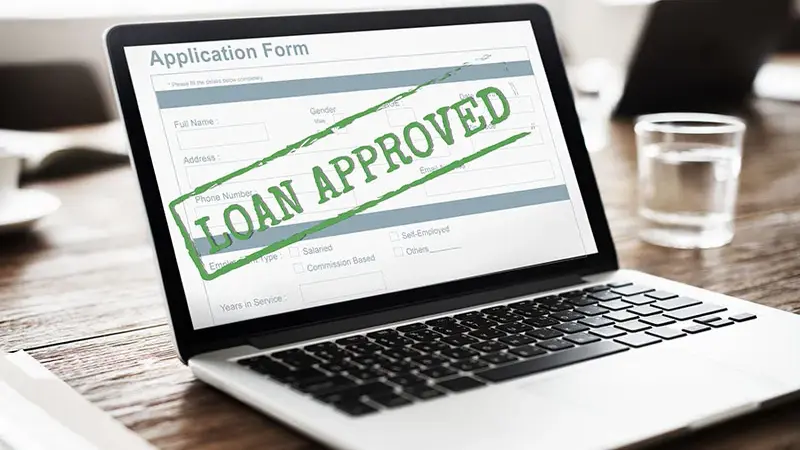
Maximizing Your Online Home Equity Loan Experience
Homeownership comes with a myriad of financial possibilities, one of which is the ability to tap into your property’s equity. A home equity loan can be a beneficial financial tool, allowing you to leverage the value of your home for various needs such as home improvements, debt consolidation, educational expenses, or other significant purchases. In recent years, securing a home equity loan online has become increasingly popular due to its convenience, speed, and potential cost savings. Here’s how you can maximize your online home equity loan experience:
Understanding Debt Consolidation Loans: Weighing Advantages and Disadvantages
In an economy that often relies on credit, many individuals find themselves managing multiple debts. From credit card balances and car loans to student debt and personal loans, keeping track of various obligations can become overwhelming. Debt consolidation loans emerge as a solution for some, simplifying their financial landscape by combining multiple liabilities into a single loan. This consolidation extends beyond mere convenience; it can wield substantial impacts on one’s financial health. Here, we embark on an exploration of the pros and cons associated with debt consolidation loans, enabling individuals to make informed decisions based on their unique circumstances.
Maximize Property Value: Online Home Equity Loan Tips
Unlocking the financial potential of your home is a savvy move. A home equity loan could fund those enhancements to make your property shine.
How to Increase Revenue through Strategic CD Investments
Certificates of Deposit (CDs) are a type of fixed-income investment offered by banks and credit unions. They offer a higher interest rate than regular savings accounts in exchange for the customer agreeing to leave a lump-sum deposit untouched for a predetermined period. For investors and businesses looking to increase revenue through low-risk investments, CDs can be an attractive option. Here is how to maximize returns through strategic CD investments.