"Nash Hcc Screening is a pivotal process in diagnosing hepatocellular carcinoma, a prevalent form of liver cancer. This article explores the significance of screening for non-alcoholic steatohepatitis (NASH) as a precursor to hepatocellular carcinoma (HCC), methodologies used, and top practices recommended by industry experts, underscoring the importance of early detection in enhancing patient outcomes."

Nash HCC screening serves as a vital procedure in modern healthcare, focused on identifying early signs of hepatocellular carcinoma (HCC) among patients suffering from non-alcoholic steatohepatitis (NASH). NASH is characterized by an excessive accumulation of fat in liver cells that leads to inflammation and subsequent liver damage. Being a serious condition, NASH has the potential to progress to HCC, a primary liver cancer known for its significant morbidity and mortality rates globally. According to recent statistics, the incidence rates of HCC have seen an alarming rise, making proactive measures a priority in healthcare. Early detection through screening can greatly enhance treatment success and improve patient survival rates, highlighting the importance of routine and systematic screening for at-risk populations.
Advanced screening techniques for NASH and HCC encompass various forms of imaging and blood-based biomarker tests tailored to provide comprehensive assessments for liver health. Non-invasive imaging modalities such as ultrasound, computed tomography (CT), and magnetic resonance imaging (MRI) are commonly utilized to identify potential indicators of liver cancer. Each method boasts distinct advantages; for instance, while ultrasound is often the first step due to its accessibility and cost-effectiveness, MRI provides intricate detail of liver structures, enabling healthcare professionals to detect abnormalities swiftly and accurately. Further, the integration of elastography, a specialized ultrasound technique, allows for the measurement of liver stiffness, which often correlates with fibrosis and cirrhosis, pivotal factors in the development of HCC.
In addition to imaging, biomarker tests focused on specific proteins and enzymes indicative of liver dysfunction contribute crucial information, enhancing the specificity and sensitivity of diagnostics. Biomarkers such as alpha-fetoprotein (AFP) and various hepatic enzymes are currently under investigation for their potential roles in signaling the development of HCC in patients with underlying NASH. The combination of these advanced diagnostic tools allows physicians to make well-informed decisions based on preliminary screening results, paving the way for timely interventions.
| Step | Description |
|---|---|
| Patient Evaluation | Initial assessment of medical history and risk factors. This includes detailed discussions about lifestyle, comorbid conditions, family history relating to liver diseases, and any previous liver function tests. |
| Imaging Tests | Conducting ultrasound or MRI to detect liver abnormalities. The imaging can reveal the size and shape of the liver and highlight any lesions, as well as signs of cirrhosis or fatty liver. |
| Biomarker Tests | Analyzing blood samples for liver-specific enzymes and proteins. This can include checking levels of enzymes such as alanine aminotransferase (ALT) and aspartate aminotransferase (AST), which assist in determining liver inflammation and damage. |
| Diagnosis Confirmation | Comprehensive analysis of the findings from imaging and biomarker tests, followed by possible biopsy procedures if necessary. Biopsies are the gold standard for confirming HCC. |
Industry experts emphasize that early detection not only ensures a higher treatment success rate but also significantly extends patient life expectancy. Adherence to an annual or bi-annual screening routine for high-risk individuals is strongly advised, particularly given the often asymptomatic nature of NASH and its progression to HCC. According to several studies, individuals with NASH are at a higher risk of developing HCC, highlighting the need for rigorous screening protocols. Implementing widespread screening practices can help counter the rising incidence of liver diseases and transform patient care standards worldwide. Additionally, specialists advocate for multidisciplinary approaches that involve dieticians, liver specialists, and primary care providers in establishing routine screening practices, bridging gaps in patient education and overall health management.
Despite their importance, NASH HCC screening encounters several significant challenges. Accessibility to advanced imaging technology poses a major hurdle in remote or undeveloped regions where healthcare facilities might lack sophisticated equipment. Furthermore, the affordability of these procedures can be a barrier for patients without comprehensive health insurance. Many healthcare systems are striving to address inequalities in access to these essential screenings.
Recent innovations in telehealth and portable diagnostic devices show promising solutions by bringing essential diagnostic capabilities closer to underserved communities. Such advances in technology are reshaping how screenings are conducted, allowing healthcare providers to deliver quality care despite geographical limitations. For instance, portable ultrasound machines facilitate outreach programs, enabling screenings in rural areas or low-income neighborhoods. Moreover, these portable devices are becoming increasingly sophisticated, incorporating AI features that assist in analyses – boosting diagnostic accuracy while minimizing costs.
The future of NASH HCC screening appears bright with continuing advancements in artificial intelligence, poised to enhance diagnostic accuracy significantly. The integration of AI in imaging tests augments precision, reduces human error, and accelerates the diagnostic process, which in turn enhances patient outcomes. AI algorithms are being developed to detect subtle patterns in imaging data that may be overlooked by the human eye. This technological revolution is anticipated to not just improve the screening outcomes but also reduce the overall diagnostic timeframe, ensuring patients receive timely interventions when necessary.
Furthermore, increased awareness and educational campaigns about NASH and HCC are essential in improving early detection rates and tackling liver cancer at population levels. Community outreach programs focusing on liver health, risk factor modification, and providing resources for screenings could foster a culture of preventative healthcare. Highlighting the importance of regular screenings can empower individuals, particularly those with risk factors, to actively engage in their health management. Awareness campaigns can also harness digital platforms to reach broader audiences, educating them about safe lifestyle choices and promoting accessibility to healthcare facilities.
Non-alcoholic steatohepatitis (NASH) is an advanced form of non-alcoholic fatty liver disease (NAFLD), characterized by liver inflammation and damage due to excessive fat accumulation in the liver. It can lead to serious complications, including cirrhosis and HCC.
Early detection significantly improves treatment efficacy, allowing for minimally invasive treatments and better survival rates. Identifying HCC in its earlier stages often permits more effective treatment options, thus influencing overall prognosis positively.
Ultrasound, MRI, and blood-based biomarker tests are leading methods for effective screening. Each technique may be used in conjunction, enhancing the diagnostic process and treatment planning.
Individuals with risk factors such as obesity, diabetes, high cholesterol, or a family history of liver disease should be screened regularly. Inclusive screenings applied to these at-risk populations can help in detecting early signs of liver disease, enabling proactive management.
Lifestyle factors such as diet, exercise, alcohol consumption, and obesity have a profound impact on liver health. Adopting a balanced diet, engaging in regular physical activity, and maintaining a healthy weight can reduce the risk of developing NASH and subsequently HCC.
It is generally recommended that high-risk individuals undergo screening annually or bi-annually, depending on their specific risk factors and clinical history. Regular monitoring can aid in timely intervention and management.
Nash HCC screening stands as an indispensable tool in bridging the gap between early detection and effective treatment of liver cancer. By understanding the significance of such screenings, healthcare professionals and patients alike can work towards a future where liver cancer rates are notably diminished through proactivity, education, and technological advancement. Emphasizing public health initiatives that promote screening, alongside continual medical research to refine diagnostic measures, could ultimately reshape outcomes for those affected by liver diseases. Cultivating partnerships across various sectors, including healthcare providers, community organizations, and policymaking bodies, will ensure ongoing efforts toward enhancing liver health and welfare.
Striking the Perfect Balance: Navigating Premiums and Out-of-Pocket Expenses in Senior Insurance Plans

Explore the Tranquil Bliss of Idyllic Rural Retreats

How to Make Lasting Memories at Disneyland Attractions

Affordable Full Mouth Dental Implants Near You
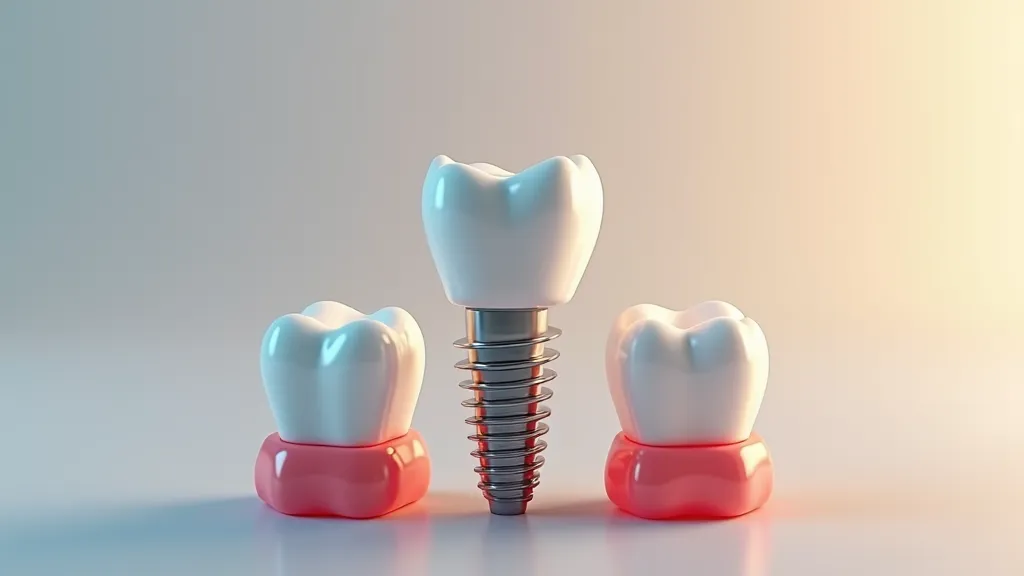
Unlock the Top Kept Secrets to Finding Your Ideal Dentist for Flawless Dental Implant Results!

Discovering Springdale Estates

The Guide to Car Trading

Unlock the Full Potential of Your RAM 1500: Master the Art of Efficient Towing!

Understanding Royal Canin Maxi Adult

Striking the Perfect Balance: Navigating Premiums and Out-of-Pocket Expenses in Senior Insurance Plans
Finding an optimal mix of insurance premiums and direct medical costs is crucial for effective healthcare budgeting. This discussion will delve into tactics to achieve a balance that aligns with your finances.
Unlock the Top Kept Secrets to Finding Your Ideal Dentist for Flawless Dental Implant Results!
Selecting an adept dentist is critical for ensuring the efficacy and your satisfaction during a dental implant procedure. This in-depth guide is designed to assist you in finding a dental expert who meets your personal requirements, guaranteeing that your path to dental implant success is seamless and fruitful.

Protect Your Perfect Smile: Master the Art of Defending Your Teeth Against Acid Attacks
Though they may tantalize the palate and invigorate the senses, foods and drinks with high acid content are a double-edged sword with regard to oral wellness. Continual exposure to these substances progressively strips away the protective enamel from our teeth, which can lead to increased sensitivity, changes in coloration, and a variety of other dental complications. This composition offers insight into relishing these zesty favorites while safeguarding your teeth from damage.

Discovering Heartis Eagle Mountain
Heartis Eagle Mountain is a prominent senior living community that offers a range of services and amenities aimed at enhancing the quality of life for its residents. Situated in a peaceful setting, it combines exceptional care with engaging activities, providing a holistic environment that caters to seniors' physical, emotional, and social needs.

Unveiling the Top Dental Implant Options for Seniors: Transform Your Smile with the Ultimate Guide to Restored Radiance
The significance of oral health cannot be understated for the elderly population as they are commonly afflicted with tooth loss due to a multitude of factors, including decay and gum disease. Dental implants have risen to prominence as a prime method of teeth replacement, acclaimed for their long-lasting nature, functional prowess, and striking similarity to our own teeth. This discussion delves deeply into the realm of dental implants to demonstrate why they are considered the optimal choice for aged individuals aiming to enhance their smiles and overall life quality.

Boost Your Defenses: 20 Proven Strategies for a Stronger Immune System
Having a robust immune system is essential to protect our bodies from harmful microorganisms and preserve our general health. Although some elements that affect our immunity are out of our hands, many lifestyle decisions can help us enhance our immune defenses naturally. This piece delves into 20 practical methods to empower your immune system, increasing your capacity to ward off diseases and sicknesses.